

What exercises are done in occupational therapy? The exercises performed as part of occupational therapy are extremely diverse and always tailored to the individual. Activity concerns and the Malfunction of the patient. The goal of occupational therapy is to... Capacity to act to improve or restore self-care, productivity (work, school), and leisure. The exercises are therefore not limited to strength and movement, but always have a functional and everyday background.
1. Passive and active mobilization exercises
These exercises are fundamental to restoring mobility and preventing stiffness.
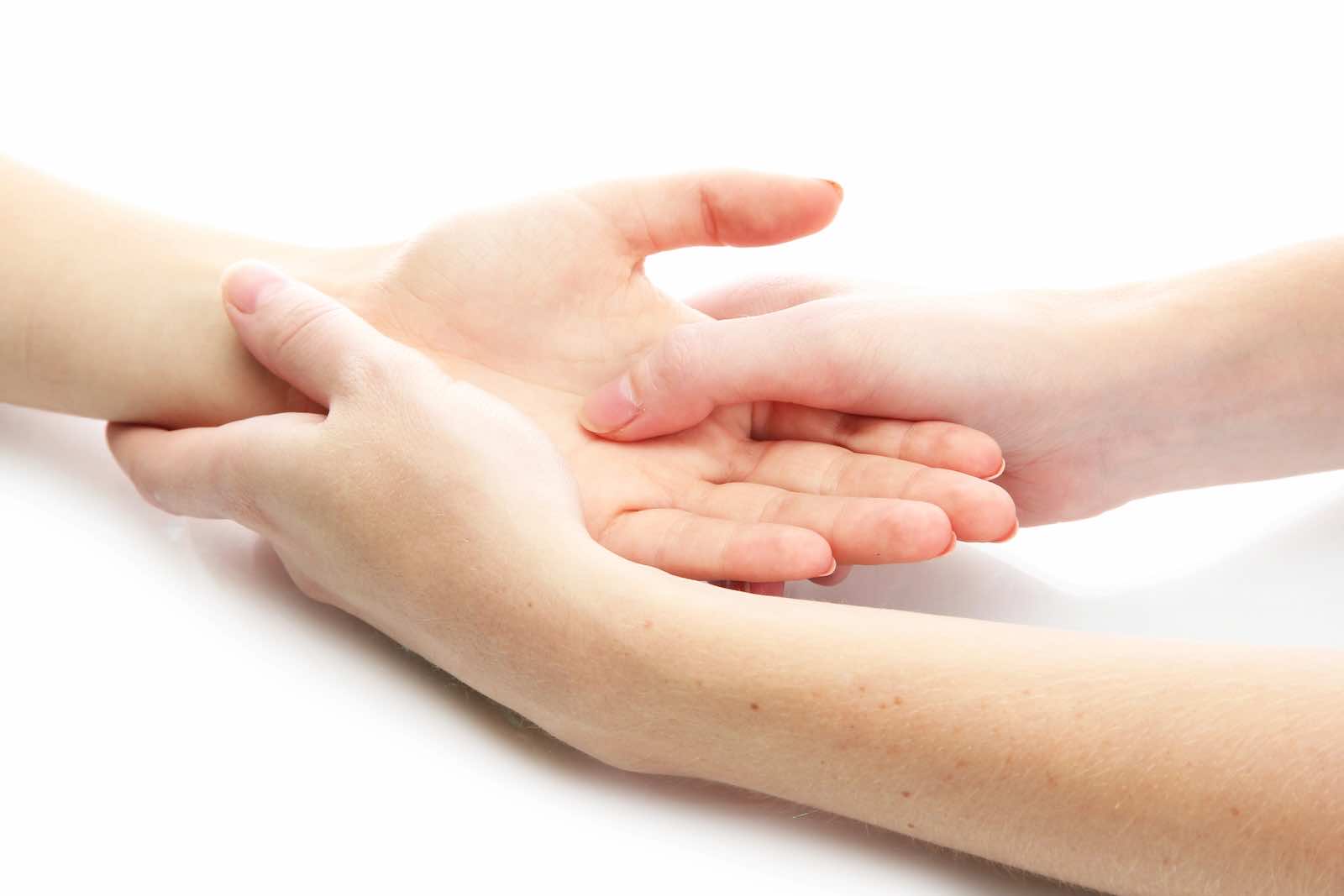
Passive and assisted mobilization
In this case, the movement is not actively performed by the patient.
- Stretching exercises: The therapist or a splint gently and precisely stretches shortened tendons, ligaments, or capsules to restore the full range of motion (ROM).
- Joint mobilization: Specific manual techniques used by the therapist to improve the mobility of the joint capsule (traction and translational gliding).
Active mobilization
The patient performs the movement independently.
- Movement exercises: Systematic movement of all joints (e.g., making a fist, extending fingers) within the pain-free limits.
- Tendon gliding exercises: Highly specific exercises (e.g., hook fist, straight fist) after tendon surgery to allow the tendons to glide within the tendon sheaths and prevent adhesions.
2. Strengthening and endurance exercises
After mobility has been restored, the muscles must be rebuilt.
- Isometric exercises: Muscle tension without visible joint movement, ideal in the early phase after fractures for muscle activation.
- Resistance exercises: Training with aids to increase strength:
- Therapy putty (therapy putty): For isolated training of the finger and gripping muscles.
- Hand trainers/spring machines: To build grip strength and forearm muscles.
- Weights/Dumbbells: For training the shoulder, arm and forearm muscles necessary for carrying and holding.
3. Fine motor skills and coordination training
These exercises aim to improve dexterity and precision and are the core of occupational therapy.
- Pincer grasp exercises: Exercises with small objects (beads, needles, rice) to train the tip grip (thumb and forefinger).
- Two-handed activities: Exercises that require the coordination of both hands (e.g. shuffling cards, tying a bow, twisting off a lid).
- Everyday life tasks (ADL training): Simulation and practice of actions from daily life:
- Putting on and taking off clothes (buttons, zippers).
- Handling cutlery and kitchen utensils.
- Writing or typing on the computer.
4. Sensory exercises and scar management
These techniques address nerve damage and skin changes.
- Sensitivity training: In cases of numbness (after nerve damage), the patient is trained to consciously perceive textures, shapes and temperatures again (e.g. feeling different materials under a cloth).
- Desensitization: In cases of hypersensitivity (or after CRPS), the hand is gradually exposed to different stimuli (from soft to rough) to reduce the pain response of the nervous system.
- Scar mobilization: Targeted massage and pressure techniques to keep the scar soft and elastic and to prevent adhesions with tendons or nerves.
5. Cognitive and assistive device exercises
Occupational therapy also includes cognitive training and adaptation to limitations.
- Cognitive training: In certain neurological disorders, exercises are used to improve attention, planning, and problem-solving.
- Assistive device consultation: Practicing the correct use of Aids (e.g. adapted cutlery, gripping tongs, special writing aids) to compensate for permanent functional losses.
The choice, which exercises are done in occupational therapy, always depends on the cause of your limitation (e.g., whether you need to practice gliding after a tendon transplant or retrain gross motor skills after a stroke).

 English
  German