
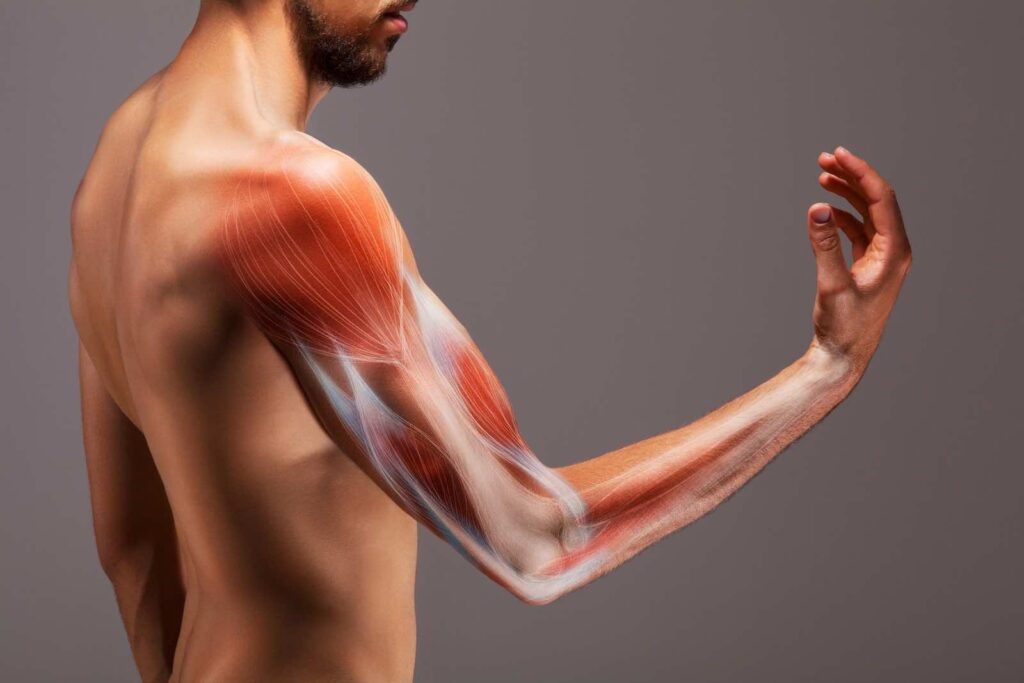
How do you heal a scar on the hand? Healing a scar on the hand is a key therapeutic focus, as the hand is a highly complex and functionally essential organ. A scar on the hand can significantly impair not only its appearance but also fine motor skills, strength, and tendon gliding ability. Therefore, specialized and early treatment, often provided by an experienced occupational therapist, is crucial. Frankfurt The procedure is of utmost importance. The goal is to achieve soft, elastic, and functional scar tissue that does not restrict the movement of the fingers and joints. We will examine the different phases of healing and the therapeutic measures you can actively take to optimally support this process.
Scar healing on the hand: A multi-stage challenge
The skin on the hand is thin and elastic, but the underlying structures (tendons, nerves, joint capsules) are particularly sensitive to scar tissue. Inadequate healing can quickly lead to adhesions that impede the tendons' ability to glide – a condition known as adhesion. Therapeutic intervention, How to heal a scar on the hand, therefore, the functional consequences of scarring must always be taken into account.
The healing process, like any wound, is divided into the inflammatory, proliferative, and lengthy maturation phases. In the hand, actively managing the maturation phase through pressure, movement, and manual techniques is particularly important. Without targeted therapy, there is a risk of developing contractures (joint stiffness) or hypertrophic scarring.
The importance of early therapy
The key to an optimal result is starting therapy as soon as the wound is stably closed and the sutures have been removed. At this point, the collagen is still easily malleable. If the first few weeks are neglected without targeted treatment, the scar tissue hardens, and correction becomes significantly more difficult and time-consuming. Specialized hand therapy in Frankfurt This is exactly where it starts.
How to heal a scar on the hand: Specific treatment methods
The treatment of a scar on the hand involves a combination of manual techniques, pressure therapy, targeted training, and supportive aids.
1. Manual scar mobilization and friction
The Manual scar mobilization This is the basis of every successful treatment. The scar is massaged in various directions to positively influence the cross-linking of collagen fibers and to loosen adhesions.
- Goals: Improved elasticity, increased suppleness, and, most importantly, the restoration of Tendon gliding ability.
- Technology: The therapist in Frankfurt It applies targeted pressure to the scar and shifts it relative to the underlying structures. This can be somewhat uncomfortable at first, but is essential for restoring function.
2. Scar and edema management
Since scarring is often accompanied by swelling (edema), this must be treated simultaneously. Persistent edema increases pressure in the tissue and can negatively affect scar formation.
- Measures: Use of manual lymphatic drainage (MLD) to promote fluid drainage and the use of compression aids.
- Importance: Controlled edema management creates the best biological conditions for this., How to heal a scar on the hand most effective.
Defined space for an image: [Image of a therapist performing manual lymphatic drainage on the back of a patient's hand]
Support through assistive devices and taping
The use of aids ensures a continuous therapeutic effect even between appointments.
Aids | Functional role | Duration of use and purpose |
Silicone products (gels/patches) | Keep the scar moist; apply gentle pressure. | Day and night for months; prevents excessive collagen production. |
Compression gloves | Constant, even pressure application. | Several hours daily; reduces edema and minimizes hypertrophic scarring. |
Thermoplastic rails | Targeted pressure on raised scar points; stretching of contractures. | At night or during rest periods; Individual correction of the scar pattern. |
Kinesiology taping | Relief of skin tension; improvement of blood circulation. | Several days in a row; relief from itching and feelings of tightness. |
We offer consultations at our practice in Frankfurt comprehensive information on which aids are most effective for your scar type and the affected area on your hand.
Functional integration and home program
A scar on the hand needs to function in everyday life. That's why we always integrate scar treatment into functional training.
Functional training
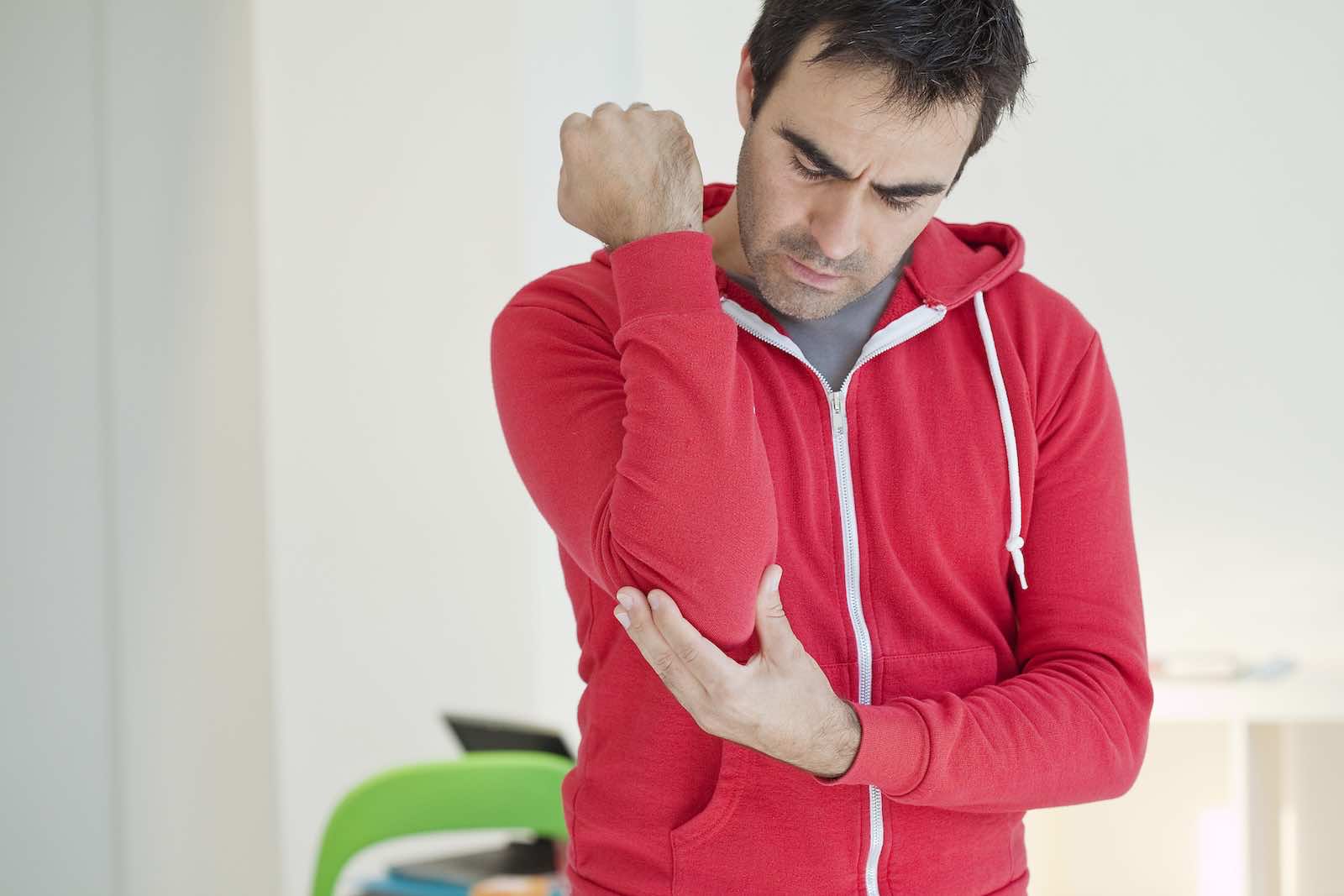
This training aims to restore full hand function in everyday life. Targeted exercises stretch and mobilize the scar tissue under stress. This is crucial for scars over joints (e.g., knuckles) or on the palm of the hand. Only through active training with the affected hand will the tissue become flexible enough to prevent the scar from stretching or tearing during gripping movements. The training significantly influences..., How to heal a scar on the hand with the goal of full functional restoration.
Consistent home program
The home exercise program is the most important factor for the success of the treatment. You will receive detailed instructions on how to complete it. self-massage the scar and the correct use of compression aids. Consistent, daily use ensures the progress made in therapy in Frankfurt This can be achieved. Without your active participation, the success of the therapy cannot be guaranteed.
Special challenges: Painful and hardened scars
Some scars are not only cosmetically bothersome, but also painful or cause itching.
- Hypertrophic and keloid scars: In these cases of excessive scarring, we intensify pressure therapy and targeted mobilization to realign the collagen fibers and reduce scar volume.
- Painful scars and hypersensitivity: If hypersensitivity (hyperesthesia) occurs after healing, we will Desensitization techniques one. In this process, we gradually accustom the skin to various stimuli in order to calm the nerve endings. This is often the case when nerve pathways grow into the scar or in cases of CRPS. Here is the answer to the question, How to heal a scar on the hand, the normalization of nerve function.
Preventive measures: What you can do yourself
In addition to active therapy, there are preventive measures that you should integrate into your daily routine:
- Sun protection: Avoid direct sunlight on the fresh scar for at least 12 months. UV light can cause permanent, dark discoloration of the scar.
- Nutrition and hydration: A balanced diet, rich in protein, zinc, and vitamin C, supports the body's natural repair processes. Adequate fluid intake is also important for tissue health.
- Proper handwashing: Although a scar on the hand should heal quickly, proper wound hygiene is important until the scar is completely closed.
The consistent implementation of these points contributes significantly to..., How to heal a scar on the hand preferably.
Professional support for optimal healing of the hand
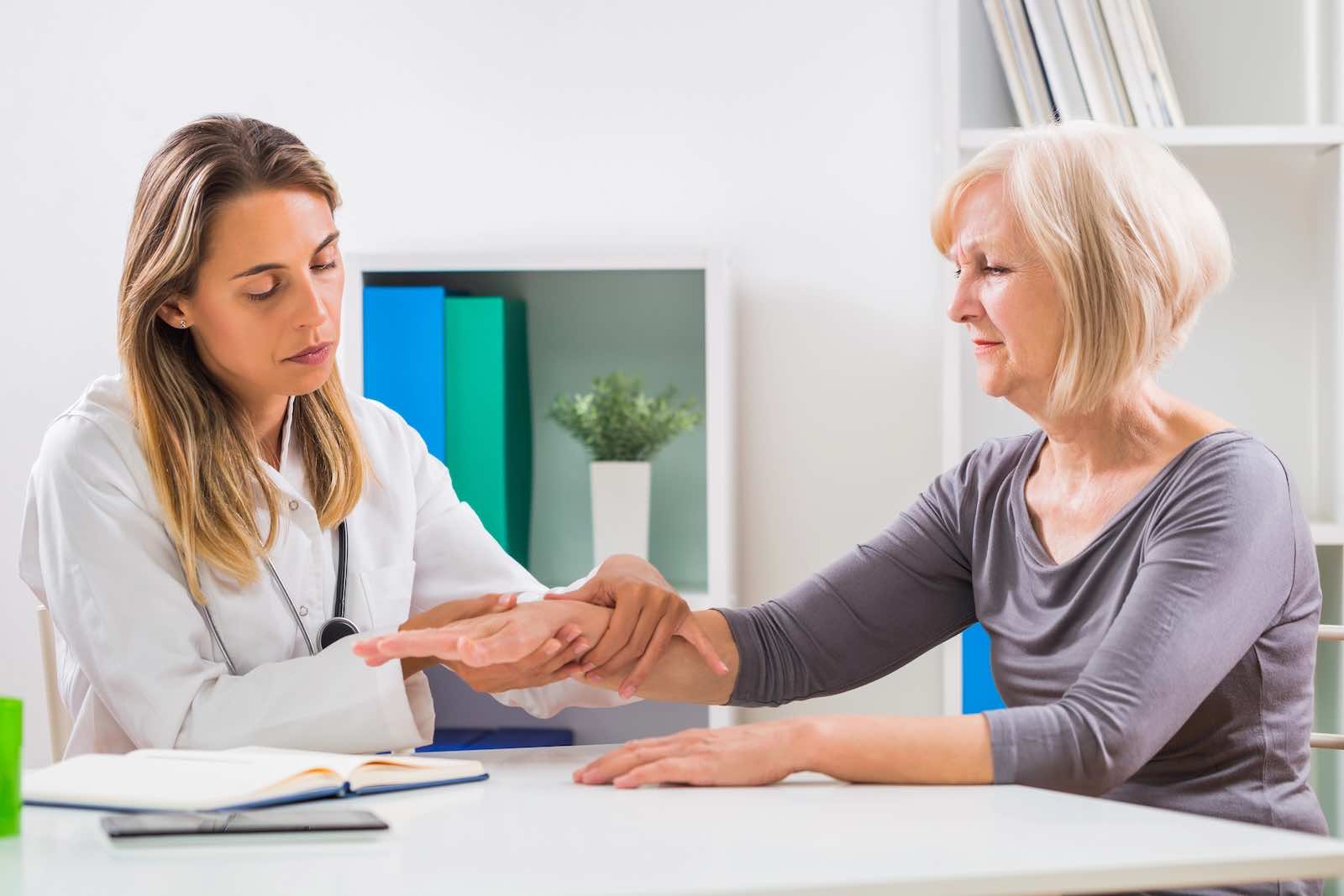
Healing a hand scar is a specialized area of occupational therapy. The combination of sound knowledge of wound healing physiology and specialized manual techniques for influencing collagen fibers and relieving tendon strain is the key to success. At the Leonie Kruse practice in Frankfurt You will receive evidence-based treatment closely aligned with your hand surgeon's protocols. We will guide you through all phases of rehabilitation to restore full functional capacity to your hand.
Contact us now for a personalized consultation and start your therapy.
Frequently asked questions about scar healing on the hand
1. How long does it take for a scar on the hand to take its final shape?
Scar maturation is a lengthy process that typically takes six months to two years until the scar reaches its final shape and color. As long as the scar is still reddish, itchy, or raised, it is in the active maturation phase, during which we can still effectively influence it therapeutically., How to heal a scar on the hand. Regular check-ups at our practice in Frankfurt are important for monitoring the maturation status and adjusting the therapy.
2. What exactly is meant by scar adhesion on the hand?
Scar adhesions mean that the scar has grown together with deeper structures, such as tendons, the joint capsule, or the muscle fascia. These adhesions prevent the tendons from gliding freely during movement, which can lead to significant functional limitations, pain, and reduced strength. manual friction techniques are necessary to actively break down these adhesions and restore hand mobility.
3. Do I need to wear a compression splint or glove to heal the scar?
For raised (hypertrophic) or thickened scars, as well as after certain tendon repair surgeries, the use of compression garments is often essential. The constant pressure reduces blood flow and thus the excessive production of collagen, making the scar flatter and softer. We can advise you on this. Frankfurt to determine the individually necessary wearing time to ensure optimal scar healing.
4. What role does edema (swelling) play in scar formation on the hand?
Untreated, persistent edema is a risk factor for unfavorable scarring, as it disrupts the healing process and promotes the formation of hardened, fibrous tissue. Therefore, early intervention is crucial. Edema management Lymphatic drainage and compression are an essential part of the answer to the question, How to heal a scar on the hand. A rapid reduction in swelling improves tissue quality and accelerates the overall rehabilitation.
5. Can scar treatment still help years after the injury?
Yes, although the best results are achieved during the active maturation phase (within the first two years), therapy can still lead to improvements in older, hardened scars. Through intensive manual techniques and the targeted application of pressure, the scar tissue can be made softer and more elastic even after many years, which positively affects hand mobility.
6. What should I consider in my home program for the scar on my hand?
The home program should be daily Scar massages This includes controlled stretching exercises in all directions and the consistent use of compression or silicone aids. It is important that you perform the exercises several times a day for short periods, following your therapist's instructions. Frankfurt Follow the instructions exactly to avoid overstretching the wound.
7. Can I play sports again with a fresh scar on my hand?
The return to sporting activities should be gradual and in consultation with the therapist and doctor. Movements that put strain on the fresh scar or lead to excessive stress should be avoided, as this increases the risk of hypertrophic scarring. However, the therapy incorporates functional exercises to gradually rebuild the hand's strength and resilience.
8. What to do if the scar itches and feels tight?
Itching and a feeling of tightness are common symptoms during the maturation phase. Silicone products, kinesiology taping, cooling, or gentle, controlled massage can provide relief. Regular application of a moisturizing scar ointment can also help reduce the feeling of tightness.
9. What happens when a scar impairs the sensitivity of the hand?
If a scar irritates the nerve endings and leads to numbness, tingling, or hypersensitivity, we introduce a Sensitivity training through. In this process, the scar and the surrounding tissue are gradually accustomed to different stimuli in order to normalize the disturbed sensation in the hand.
10. What role does joint mobilization play in scar therapy of the hand?
Joint mobilization is essential because scars lying over joints or tendons can quickly lead to stiffness. Through manual mobilization techniques, we ensure the full range of motion of the fingers and wrist, thus preventing the scar from causing permanent functional limitations.

 English
  German