
What's the fastest way to heal scars? The idea that a scar can heal "quickly" needs to be put into perspective. The biological maturation of a scar is a process that at least 12 to 18 months It takes time. However, it is possible to optimally support scar healing through consistent and scientifically sound measures, thereby improving the cosmetic result and minimizing functional limitations. The fastest way to the best scar is... consistent care.
1. How do I heal scars the fastest? The critical phases
The quality of scar healing is primarily determined in the first weeks and months. Acceleration is not biologically possible, but optimization through the avoidance of complications certainly is.
A. Immediate wound care (day 0 to 14)
Proper wound healing is the basis for quick and uncomplicated scar formation.
- Infection prophylaxis: Strict adherence to hygiene is crucial. Every infection prolongs the healing time and increases the risk of complications. unsightly, raised scar.
- suture removal: The stitches should be removed on schedule.
- Protection against voltage: The wound must be protected from mechanical tension, as this stimulates collagen production, leading to a wider scar.
B. The active maturation phase (week 3 to month 6)
During this phase, self-care measures determine how quickly the scar becomes soft and pale.
2. The fastest way to the best scar: Consistent therapy
The most effective measures aim to maintain the moist, warm environment of the scar and keep the tissue supple, thus ensuring optimal scar maturation.
Application of silicone (gold standard)
- Measure: The consistent application of silicone products (Gel or plaster) is the scientifically proven fastest way to make the scar flatter and less noticeable.
- Effect: Silicone regulates the skin's moisture management (occlusion effect) and inhibits excessive collagen production.
- Application: Begin as soon as the wound is closed and apply the product. Ideally 12 hours a day on.
Daily scar massage
- Measure: The daily, intensive massage Using a scar oil or scar ointment is essential to promote blood circulation and prevent the scar from adhering to deeper structures.
- Purpose: Especially in the case of scars on the hand (e.g. after a Carpal tunnel syndrome surgeryMassage is crucial to quickly resolve functional limitations and ensure mobility.
- Duration: Massage the scar two to three times a day for several minutes each.
3. What makes scars heal "faster": Avoiding disruptive factors
The „fastest“ way to heal often lies in eliminating the factors that slow down the process and worsen the scar.
Absolute UV protection
- Measure: Protect the scar for at least six to twelve months consistently protect from direct sunlight.
- Effect: This prevents the irreversible hyperpigmentation (dark discoloration) that makes the scar permanently visible. A high sun protection factor (SPF 50+) is mandatory.
Reduction of mechanical stress
- Measure: For the first few months, avoid all activities that put strong strain on the scar.
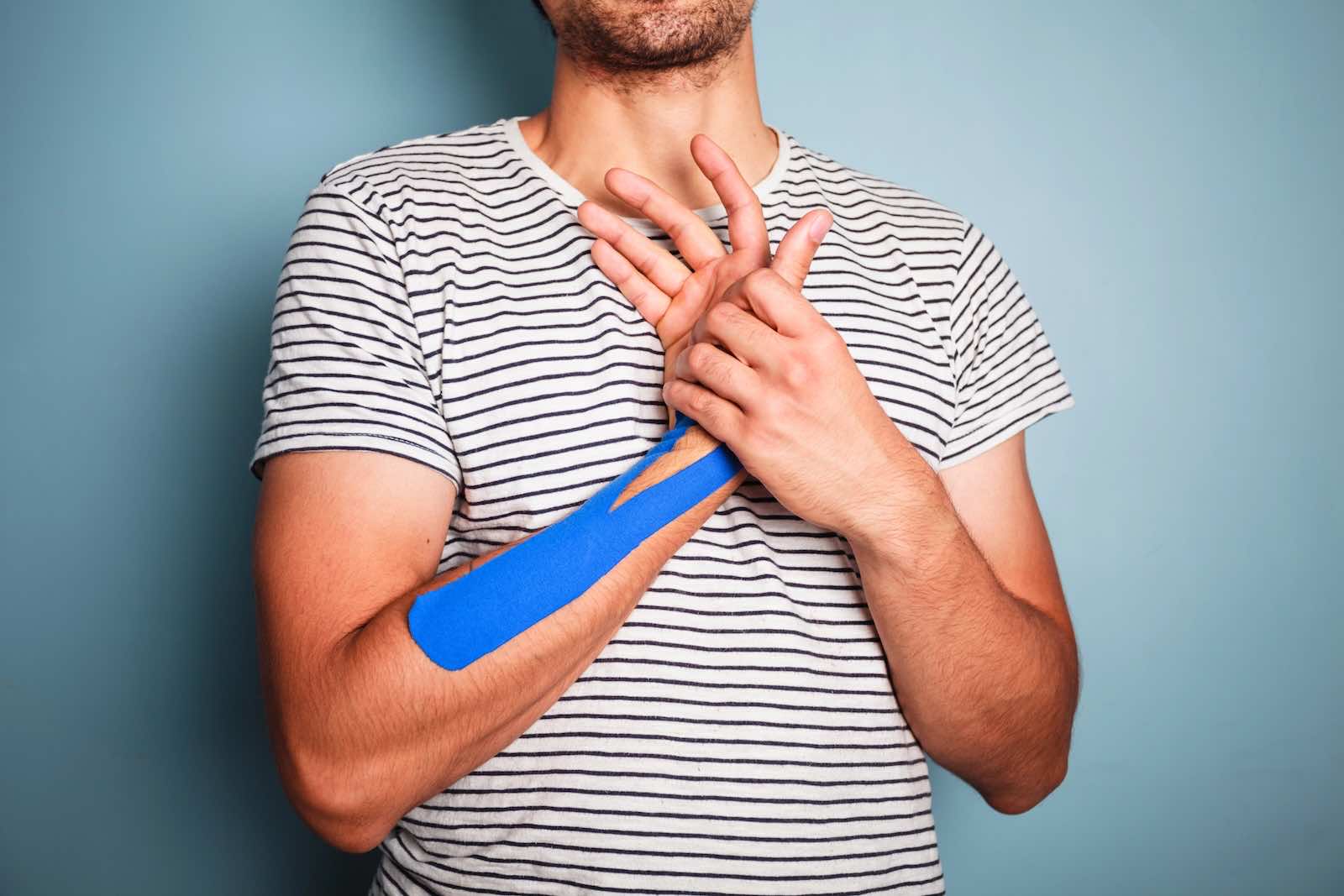
- Support: If necessary, a Tape or a Compression clothing It should be worn for support to reduce tension and prevent the scar from widening.
Measure to „accelerate“ | Goal of the effect (Effective healing) |
Consistent silicone gel | Keeping the scar flat prevents hypertrophic scarring. |
Daily massage | Increases suppleness, quickly dissolves adhesions. |
Absolute UV protection | Prevents permanent dark discoloration, optimizes the cosmetic result. |
Physiotherapy | Quickly restores full function and mobility after surgery. |
4. Frequently asked questions about the "fastest" scar healing
1. Can I speed up the healing of the scar by using more scar ointment?
No, scar healing cannot be accelerated by applying a larger amount of scar ointment. What is crucial is... Regularity of application in combination with the mechanical massage. The ointment acts as a lubricant and moisturizer. You should massage the scar two to three times a day; more often usually doesn't lead to faster results.
2. What can be done to make scars heal faster if they itch intensely?
Itching is a sign of active healing. To soothe the scar as quickly as possible, use cooling silicone gels or moisturizing creams. It is essential to avoid scratching, as this irritates the scar and delays healing. Relieving the itching quickly helps prevent unnecessarily worsening the scar.
3. Do home remedies help scars heal faster?
Home remedies like coconut oil or olive oil can support the suppleness of the scar due to their emollient properties. However, they do not possess the proven effectiveness of [medicated treatments]. silicone products or the targeted action of professional scar gels to regulate collagen production. The "fastest" and safest way to heal a scar is through established medical methods.
4. How quickly does a scar heal after carpal tunnel surgery?
After surgery on Carpal tunnel syndrome The scar usually improves relatively quickly. The redness and slight elevation often disappear within 3 to 6 months. Full functional healing is actively accelerated by early mobilization exercises and scar massage to quickly release any adhesions to the median nerve.
5. Can an injection "speed up" the healing of the scar?
In cases of problematic scar healing (e.g., an incipient hypertrophic scar), an injection with cortisone The doctor may accelerate healing by quickly inhibiting the inflammatory response and excessive collagen growth. However, this measure should only be performed when necessary and by a specialist, as it is not a general way to speed up the healing process.
6. What is the most important rule for making scars flatten faster?
The most important rule for making scars flatter faster is the consistent and uninterrupted use of silicone products During the first six months of scar maturation, silicone patches or gels are most effective in reducing the overproduction of collagen and keeping the scar flat.
7. What to do if a scar doesn't heal quickly despite treatment?
If a scar doesn't heal quickly despite consistent treatment, or worsens (becomes thicker, redder, or more painful), you should consult a specialist (dermatologist, plastic surgeon). It could be a Keloid or therapy-refractory hypertrophic scar This involves treatments that require specific procedures such as cortisone injections or laser therapy to optimize scar healing.
8. How does quitting smoking affect the speed of scar healing?
Giving up smoking has an effect very positive It affects the speed of scar healing. Nicotine constricts blood vessels, reducing the supply of oxygen and nutrients to the tissue. Quitting smoking improves blood circulation and minimizes the risk of impaired wound healing, allowing the scar to heal faster and with fewer complications.
9. What can be done to make facial scars heal faster?
Since scars on the face are particularly visible, the measures of the UV protection and the Moisture supply It should be applied particularly consistently. Early application of silicone gel can help, as it is inconspicuous. Furthermore, the healing of facial scars benefits from good blood circulation in the area.
10. Is physiotherapy necessary for scars to heal quickly and for function to be maintained?
Yes, physiotherapy is appropriate for scars over joints (such as on the hand or knee). often necessary, To accelerate scar healing and maintain function, special mobilization and stretching techniques prevent contractures and ensure that the scar quickly regains its full elasticity and mobility.
5. The most important finding for scar care
The biological processes of healing cannot be arbitrarily accelerated. The most effective way to ensure your scar achieves the best possible result as quickly as possible is... consistent application silicone, daily massage and absolute protection from UV radiation.
Have your doctor or therapist create an individual scar treatment plan for you to optimally control the healing process and achieve the best results for your scar.

 English
  German