
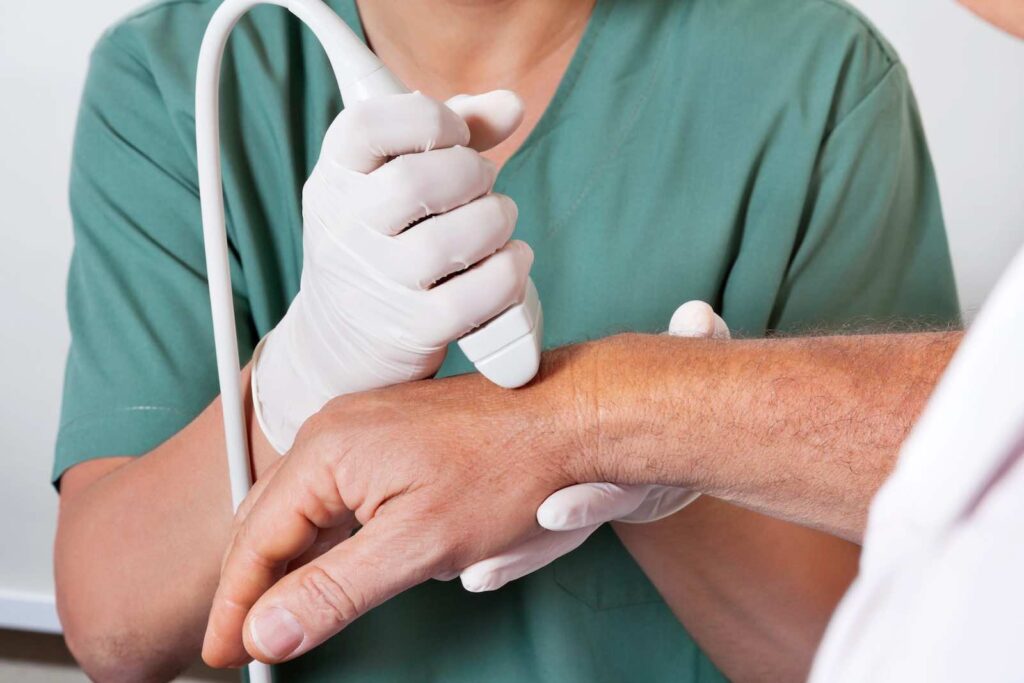
What does occupational therapy for the hand involve? This specialized form of rehabilitation aims to restore full functional capacity in daily life, work, and leisure activities to patients following injuries, surgeries, or chronic conditions of the upper extremity (hand, wrist, and forearm). Occupational therapy views the hand not only as an anatomical structure but primarily as a human tool essential for independence and quality of life. The treatment methods used in occupational therapy for the hand are highly individualized and include a combination of passive mobilization techniques and active training to restore strength and fine motor skills. Because the hand has a significant representation in the brain, the therapy also aims to relearn neurological control and coordination.
The core goals of occupational therapy for the hand: regaining the ability to act.
Occupational therapy treatment for hand problems has clear, patient-centered goals. These aim to eliminate physical limitations while minimizing the practical impact on the patient's life.
- Pain relief and edema reduction: Controlling pain and swelling (edema) is an early priority, as both severely hinder the healing process and mobility.
- Restoration of range of motion (ROM): Targeted mobilization prevents joints from stiffening and tendons from adhering. This is particularly critical after surgery and immobilization (e.g., after a fracture).
- Improvement of strength and endurance: Building muscle strength, especially gross and fine motor skills, is necessary to make the hand resilient again for professional and everyday tasks.
- Preservation and restoration of sensitivity: Following nerve injuries or compression (e.g., carpal tunnel syndrome), specific training is performed to restore or improve the sense of touch.
- Adaptation of the environment: Where a full recovery is not possible, occupational therapy for the hand supports the patient in using assistive devices or adapting routines to maintain the greatest possible independence.
What is done for the hand in occupational therapy? The assessment and individual planning.
Every successful occupational therapy treatment for the hand begins with a comprehensive and detailed assessment. This ensures that the therapy is precisely tailored to the individual needs and functional deficits of the patient.
The comprehensive assessment
The hand therapist goes beyond a purely medical diagnosis and creates a functional diagnosis by evaluating the following aspects:
- Joint function analysis: Measurement of the active and passive range of motion (ROM) of all fingers and wrists using a goniometer.
- Force measurement (dynamometry): Objective measurement of grip strength as well as tip and key grip strength using special measuring devices.
- Sensitivity testing: Performing tests such as two-point discrimination or monofilament testing to determine the degree of nerve damage and loss of sensation.
- Scar and tissue analysis: Assessment of scar quality (elasticity, color) and edema status (swelling) as well as skin condition.
- Activity analysis: Assessment of how the impairment affects the performance of specific Activities of Daily Living (ADL) such as dressing, eating or writing.
Based on this data, an individual therapy plan is created, which precisely defines, what is done for the hand in occupational therapy, and which techniques have priority.
Occupational therapy for the hand: Specialized techniques for restoring function
Hand therapy, as a subfield of occupational therapy, has a number of highly specialized techniques that are used to restore complex hand functions.
Custom splint construction (orthopedic provision)
Unique to occupational therapy is the ability to adapt thermoplastic splints directly and individually to the patient's hand.
- Static orthoses: Serving the Immobilization of the joint in a healing-promoting position, for example after joint surgery, to immobilize the wrist in inflammatory processes or as a night splint in case of nerve compression.
- Dynamic orthoses: Use elastic bands or springs for controlled movement Tensile forces to exert pressure on the fingers or joints. They serve to gently mobilize stiff joints or to protect the tendon suture, while allowing active movement.
Railway construction is an essential component of this., what is done for the hand in occupational therapy, because the splint protects the healing process, allows for the correction of misalignments, and secures the results of the operation.
Manual therapy and scar management
Manual treatment by the therapist is crucial to improve the gliding ability of the structures under the skin.
- Joint mobilization: Specific, gentle techniques to stretch the joint capsule and the joint play (to restore the minimal mobility of the bones). This is often necessary to regain passive mobility after immobilization.
- Scar mobilization: The scar is softened and made elastic through targeted pressure and stretching. This prevents the scar from adhering to the deeper tendons and nerves, which would otherwise make movement painful and restricted. Scar management is a long-term process that is carried out very meticulously in occupational therapy for the hand.
- Edema and lymph drainage: Special grip techniques and compression bandages are used to reduce fluid accumulation (swelling) in the hand and forearm, which can hinder movement and cause pain.
What is done for the hand in occupational therapy? The active path to dexterity (training)
The active training component serves as a bridge from passive healing back to functional resilience. The focus here is on practicing everyday movements.
Functional strength and coordination training
The exercises performed for the hand in occupational therapy are purpose-oriented and utilize specific aids:
- Gross force: Training of grip strength through the use of therapy putty, handballs or special spring devices.
- Fine motor skills: Precision exercises such as sorting small objects, threading beads, playing peg games, or grasping with tweezers. These exercises train the small, intrinsic muscles of the hand.
- Strength endurance: Slow and repeated training of the postural muscles to strengthen the hand for longer periods of professional activity.
Training focus | Typical occupational therapy exercises for the hand | Target structure |
Cognitive-motor training | Building block games, puzzles, writing exercises, keyboard training. | Nerve control, coordination, planning. |
Joint protection training | Learning auxiliary grips that relieve joints (e.g., in cases of osteoarthritis). | Joints, cartilage, capsule. |
Targeted stretching | Hold passive stretches for 30–60 seconds. | Tendons, ligaments, capsules. |
Everyday life simulation | Practicing dressing, opening bottles, and using tools. | Functional integration. |
Defined space for an image: [An occupational therapist performing fine motor skills exercises with small wooden beads with a patient to train the precision of the tip and key grip after a nerve injury.]
Sensitivity training and desensitization
Following nerve injuries (such as after carpal tunnel surgery) or in cases of persistent hypersensitivity, targeted training is performed to modulate the brain's response to touch stimuli.
- Desensitization: In cases of painful hypersensitivity caused by nerve irritation, the hand is gradually exposed to different textures (silk, rough cloths, pebbles) to accustom the nervous system to normal touch.
- Sensory re-education: In cases of numbness (hypesthesia), the brain is retrained to perceive subtle differences in texture and shape. This often occurs through feeling objects under a cloth.
Occupational therapy for the hand: Specific treatment focuses according to diagnosis
The exact content, what is done for the hand in occupational therapy, depends heavily on the underlying disease.
Treatment after tendon reconstruction
Following flexor tendon repair, a very strict, dynamic rehabilitation protocol is required. Therapists are specially trained in these complex protocols (e.g., the Kleinert or Duran protocol). The exercises must be performed frequently (often hourly) and in compliance with strict safety guidelines to avoid compromising the tendon repair while simultaneously preventing adhesions. Occupational therapy for the hand plays a vital role in the functional success of the surgery.
Treatment of osteoarthritis and inflammatory joint diseases
In the case of degenerative joint diseases (e.g., rhizarthrosis in the thumb saddle joint), the Pain relief and the Joint protection in the foreground.
- Joint protection instruction: The patient learns how to optimally relieve the strain on their hand during everyday activities (e.g., gripping or pressing) in order to minimize joint stress.
- Assistive device consultation: Recommendation and adaptation of ergonomic aids (e.g. special handles, arthritis cutlery).
- Rails: Production of relieving splints that correct the misalignment and reduce pain during exertion.
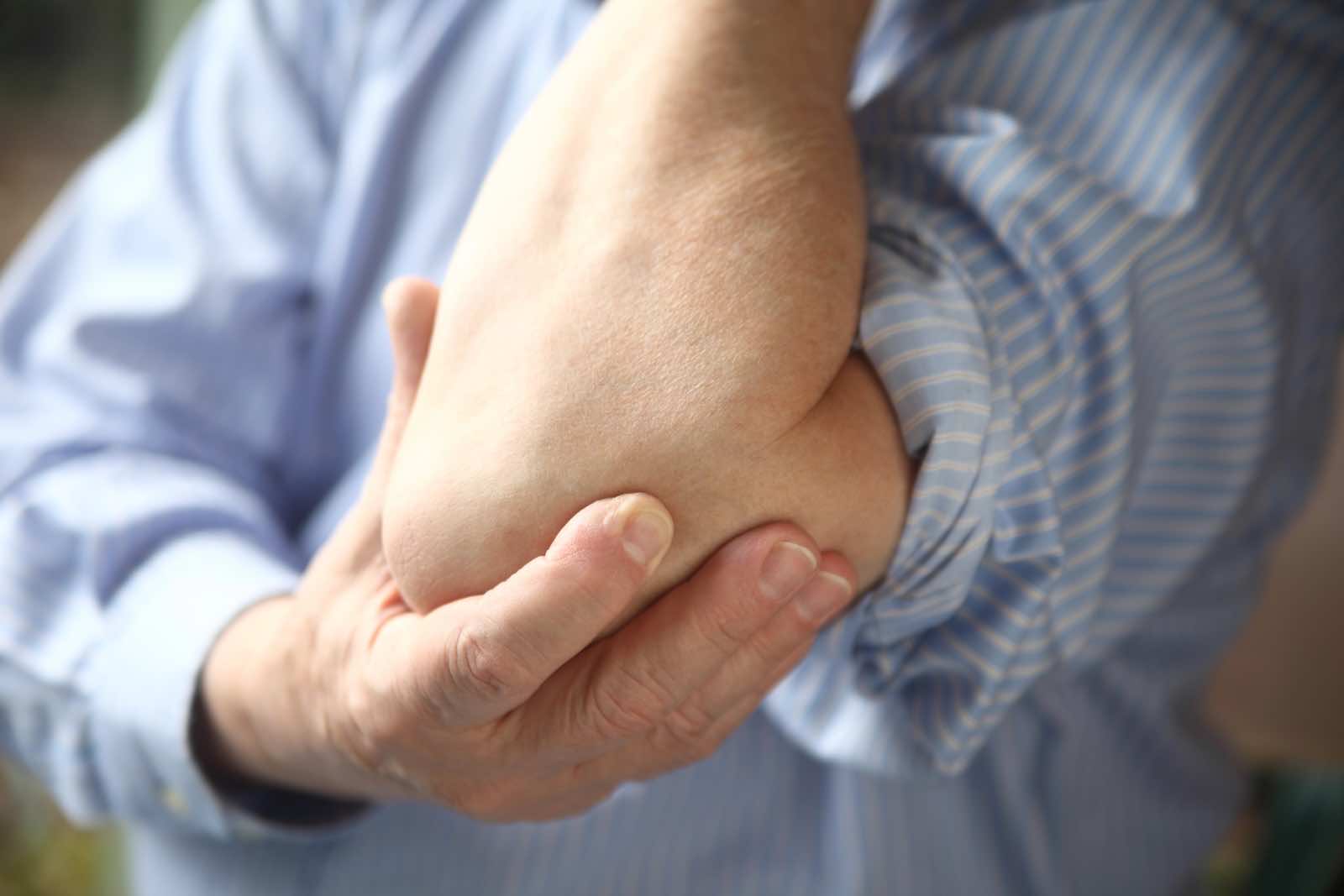
Treatment after fractures and nerve compressions
After the removal of the cast or splint, the focus is on restoring passive and active mobility to the stiffened joints. In cases of nerve compression syndromes that have been surgically treated, this is... Scar management This is particularly important to prevent the nerve from becoming compressed in the surgical scar and causing further pain or numbness. In any case, early referral to occupational therapy for the hand is crucial for the long-term prognosis.
Frequently asked questions about occupational therapy for the hand and upper extremity
1. What is the main difference between physiotherapy and occupational therapy for the hand?
The main difference lies in the focus of the treatment: While physiotherapy primarily focuses on restoration physical functions (Mobility, strength) is the focus, the Occupational therapy for the hand on the restoration of Capacity to act and the Everyday skills. Occupational therapists often use the activity itself (e.g., cooking, crafts) and adapt assistive devices to improve the patient's independence. However, both disciplines work closely together in hand therapy and overlap in many mobilization techniques.
2. What exactly is carpal tunnel syndrome, and what is done in occupational therapy for the hand to treat it?
Carpal tunnel syndrome is a compression of the median nerve in the wrist, which can lead to numbness, tingling, and muscle atrophy. Conservative treatment in the Occupational therapy for the hand Primarily, a custom-fitted night splint was made to provide relief, and the patient was instructed on how to protect the joint. After surgery, occupational therapy focuses on the Scar management and targeted neurodynamic exercises, to improve the gliding ability of the nerve and promote a rapid recovery of strength.
3. Is occupational therapy absolutely necessary for the hand after a tendon rupture?
Yes, the Occupational therapy for the hand is after a tendon rupture or tendon reconstruction absolutely essential and crucial for success. Without specialized exercise protocols and custom-made splints, there is a high risk of the suture line in the tendon sheath adhering to the surrounding tissue, which would severely and permanently restrict mobility. Therapeutic support is necessary in this case to ensure a balance between healing and careful mobilization.
4. Who prescribes occupational therapy for the hand?
The Occupational therapy for the hand is usually performed by a practicing specialist, most often a Hand surgeons or prescribed by an orthopedist. After a hospital stay, the prescription is often issued directly by the hospital. The prescription must be specific to the upper extremity and include the diagnosis as well as the number of therapy sessions required to begin treatment.
5. How long does it take to notice an improvement in the hand through occupational therapy?
The time until noticeable improvement in the Occupational therapy for the hand Treatment outcomes vary considerably depending on the diagnosis. In cases of edema reduction or pain relief, positive effects can often be seen after just a few sessions. However, restoring full range of motion after a stiffness or building strength after nerve paralysis are long-term processes that often require several weeks or months of consistent treatment.
6. What occupational therapy treatments are used for the hand in cases of osteoarthritis?
In cases of osteoarthritis, for example rhizarthrosis in the thumb, the focus is on the Occupational therapy for the hand The focus is on pain reduction, joint protection, and maintaining function. Custom-made splints are created, patients learn joint-friendly work techniques (joint protection instruction), and assistive devices are fitted to facilitate daily life. The goal is to alleviate pain and postpone the need for surgery.
7. Can occupational therapy for the hand also help with chronic pain?
Yes, the Occupational therapy for the hand It is also a crucial component of treatment for chronic pain syndromes, such as Complex Regional Pain Syndrome (CRPS). Treatment here focuses on desensitizing the nervous system, reducing swelling, and resuming daily activities, often supplemented by pain medication and psychological support.
8. What is meant by sensory training in occupational therapy for the hand?
Sensitivity training in the Occupational therapy for the hand This therapy is used when sensation is impaired (numbness or hypersensitivity) following nerve injury. It involves exercises to "re-educate" the brain. Patients learn to correctly process sensory information again under targeted stimulation (e.g., by brushing or feeling different materials) and to restore full hand function.
9. How often should I go to occupational therapy sessions for my hand?
The frequency of therapy sessions in the Occupational therapy for the hand Treatment frequency is strictly based on the doctor's prescription and the individual's treatment needs. In the acute phase following complex surgeries (e.g., tendon repair), a high frequency of up to five times per week may be necessary, while in chronic conditions, one to two times per week is often sufficient. The exact frequency is determined individually to optimally support the healing process.
10. Is the fabrication of splints for the hand in occupational therapy usually included in the health insurance benefits?
Yes, the production of individually adapted, therapeutically necessary splints (orthoses) in the Occupational therapy for the hand This is generally a service covered by statutory health insurance. The necessity of splint fabrication must be clearly documented by the prescribing physician on the prescription for therapeutic treatment or a separate prescription. The costs for the material and fitting are part of the therapeutic agreement.
11. What is done in occupational therapy for the hand in the case of trigger finger?
In the case of trigger finger (stenosing tenosynovitis) that is treated conservatively, the focus is on the Occupational therapy for the hand Treatment focuses on relieving pressure on the tendon sheath. A special splint can be made to limit the movement of the affected finger (especially flexion). Additionally, manual techniques are used to reduce swelling and relax the muscles.

 English
  German