
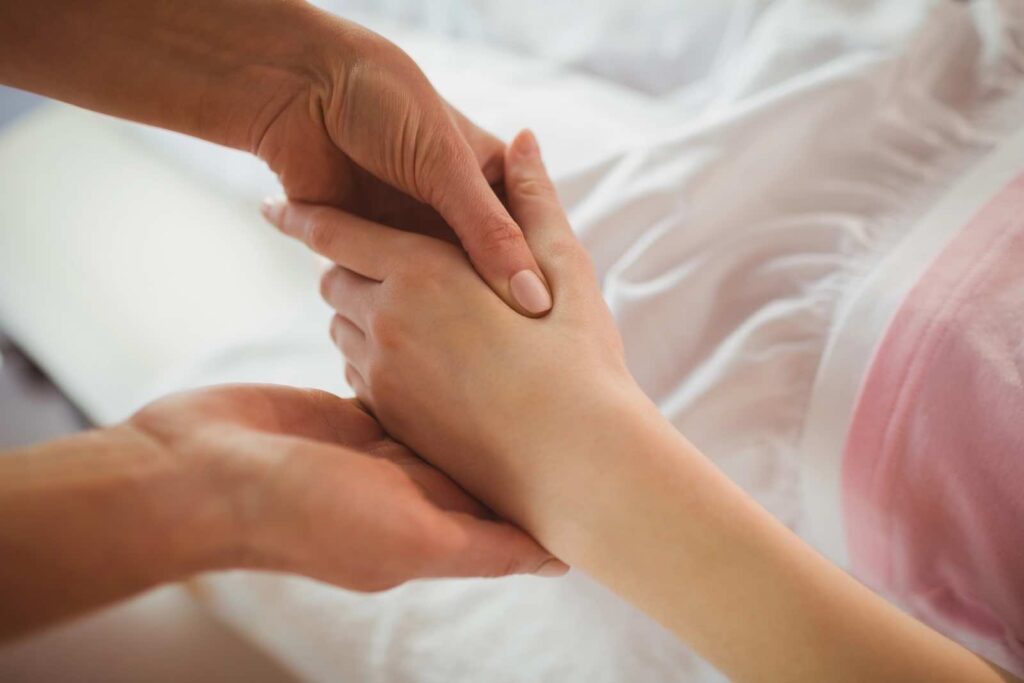
What makes scars worse? The healing process of scars is complex and can be negatively affected by various factors. If you are wondering, What worsens scars?, You must consider both mechanical stress and the body's biological reactions. Understanding the risk factors is crucial for actively preventing unsightly, raised, or painful scarring.
1. What worsens scars? Mechanical and physical influences
Physical treatment and exposure of the scar in the first few months are the most common reasons for a worsening of the scar's appearance.
Excessive tension and strain
- Effect: Constant or strong pulling on the wound edges during the healing phase causes the body to produce more collagen in response to stabilize the wound.
- Consequence: This leads to the formation of wider, flatter or sublime, hypertrophic Scars. Scars that run across joints (such as on the hand or elbow) are particularly vulnerable, as every movement puts strain on them.
UV radiation and sun
- Effect: Fresh scar tissue contains no melanocytes (pigment cells) that provide protection against UV radiation. Sun exposure disrupts the healing process and stimulates the pigment cells in the area surrounding the scar.
- Consequence: The scar is discolored permanently dark (hyperpigmentation) and thus becomes significantly more visible than the surrounding skin. Consistent sun exposure is essential for the scar to heal.
Mechanical friction and scratching
- Effect: Rubbing with clothing or scratching when itchy constantly irritates the young scar and triggers a renewed inflammatory reaction.
- Consequence: This can trigger scarring and thicken the scar tissue deep within, leading to the development of a hypertrophic scar can lead to this.
2. What worsens scars? Biological and inflammatory factors
Certain bodily processes or complications can biologically impair the healing of the scar.
Wound infections
- Effect: A wound infection triggers a strong, long-lasting inflammatory response as the immune system fights the pathogens.
- Consequence: The inflammation significantly delays primary wound healing. This often leads to a massive collagen production and is one of the main reasons for the formation of unsightly, highly raised scars.
Individual genetic predisposition
- Effect: Some people are genetically predisposed to forming excessive amounts of scar tissue.
- Consequence: This manifests itself as Keloid (a scar that grows beyond the original wound edges) or as severe hypertrophic scar. In cases of known predisposition, early, aggressive scar prophylaxis (silicone, pressure) is necessary to prevent the scar from worsening.
Chronic inflammation or autoimmune diseases
- Effect: Diseases that affect the immune system or cause chronic inflammation can disrupt the wound healing cascade.
- Consequence: The healing of the scar can be delayed or disrupted by excessive scarring.
3. What worsens scars? Incorrect scar care.
Incorrect or insufficient care during the active scar maturation phase is a common reason why scars worsen.
Mistakes in scar care | Negative impact on the scar |
No massage | This leads to adhesion with deeper layers and reduces flexibility. |
No silicone/print | Increases the risk of hypertrophic and Keloid formation (the scar becomes raised). |
Premature stress | This leads to tensile stress and widening of the scar (the scar worsens mechanically). |
Scar dehydration | The scar becomes hard, brittle, and more prone to itching and hardening. |
4. The importance of early scar prevention
Since it is difficult to completely eliminate noticeable scars once they have formed, prevention is the best way. What worsens scars? The problem is often the neglect of care in the first few weeks.
- Conservation: Avoid extreme movements of the affected area for the first 4–6 weeks.
- Hydration: Begin applying moisturizing gels or creams (with massage) as soon as the scab falls off.
- Silicone: Use silicone products (patches or gel) consistently to keep the scar soft and flat.
5. Frequently asked questions about the causes and what worsens scars
1. What worsens scars the most in terms of color?
Scars are most aggravated by their color. direct UV radiation (sunlight). Fresh scars have no natural protection against the sun, and UV exposure almost inevitably leads to [a specific condition/condition]. permanent hyperpigmentation, This causes the scar to become dark and clearly visible. Therefore, the scar must be consistently protected from the sun for at least 6 to 12 months.
2. Can poor diet worsen scars?
An improper diet can indirectly worsen scar healing by impairing the body's overall wound-healing ability. deficiency of protein, vitamin C or zinc It can disrupt collagen synthesis and immune function. This can delay healing and negatively affect scar quality, potentially making the scar less attractive.
3. What worsens scarring after carpal tunnel surgery?
After surgery on Carpal tunnel syndrome The scar can be caused primarily by lack of mobilization The condition can worsen. If the scar becomes fused with the underlying median nerve or tendons, this can lead to pain, a feeling of tightness, and restricted movement. Consistent scar massage is crucial to prevent this and ensure proper scar healing.
4. Can wearing clothes that are too tight worsen the scar?
Yes, wearing clothes or shoes that are too tight can worsen the scar, especially if they rub directly against the scar tissue. The constant... mechanical friction It irritates the young tissue and can perpetuate the inflammation. This increases the risk of the scar becoming raised and unsightly (hypertrophic scarring).
5. Why does smoking worsen scar healing?
Smoking significantly impairs scar healing because nicotine... Blood vessels constricted and thereby reduces the oxygen supply to the wound area. Poor blood circulation leads to slowed and inefficient wound healing and increases the risk of complications. Wound healing disorders and infections. This can have a very negative impact on the scar's appearance.
6. What makes scars worse when they start to itch?
When scars start to itch, that's Scratch The biggest factor that worsens them is scratching. Scratching mechanically damages and irritates the young, delicate scar tissue, which reignites the inflammatory response. This can lead to thickening and enlargement of the scar. It is better to cool or keep the scar moist to relieve the itching.
7. Can too much massage worsen the scar?
Too much or too intense massage in the very early phase (Before the wound has stabilized) it can pull the wound edges apart and widen the scar. However, a gentle, regular massage In the later maturation phase (after about 2–4 weeks), proper scar healing is crucial. The correct technique and timing are important to prevent deterioration.
8. How long do I need to avoid pulling to prevent the scar from worsening?
You must avoid putting any strain on the scar for the entire duration of the active healing phase, ideally for six to twelve months. The wound is least resistant to tensile stress during the first six weeks. After that, gradual stress is possible, but strong tensile forces should still be avoided, as these can widen the scar and negatively affect the cosmetic result.
9. Can certain medications worsen scar healing?
Yes, certain medications, especially those that... Suppress immune response (Immunosuppressants) or those that influence blood clotting (For example, high doses of cortisone) can delay wound healing and increase the risk of wound healing disorders, which can worsen the scar. Always talk to your doctor about all medications you are taking.
10. What worsens scars in patients with dark skin?
Patients with dark skin have a higher risk of Hyperpigmentation (dark discoloration of the scar) and a greater tendency to Keloid formation. In these cases, UV protection must be applied even more consistently, as otherwise the scar will worsen significantly, and the early application of silicone and, if necessary, cortisone injections for prophylaxis is particularly important.

 English
  German