
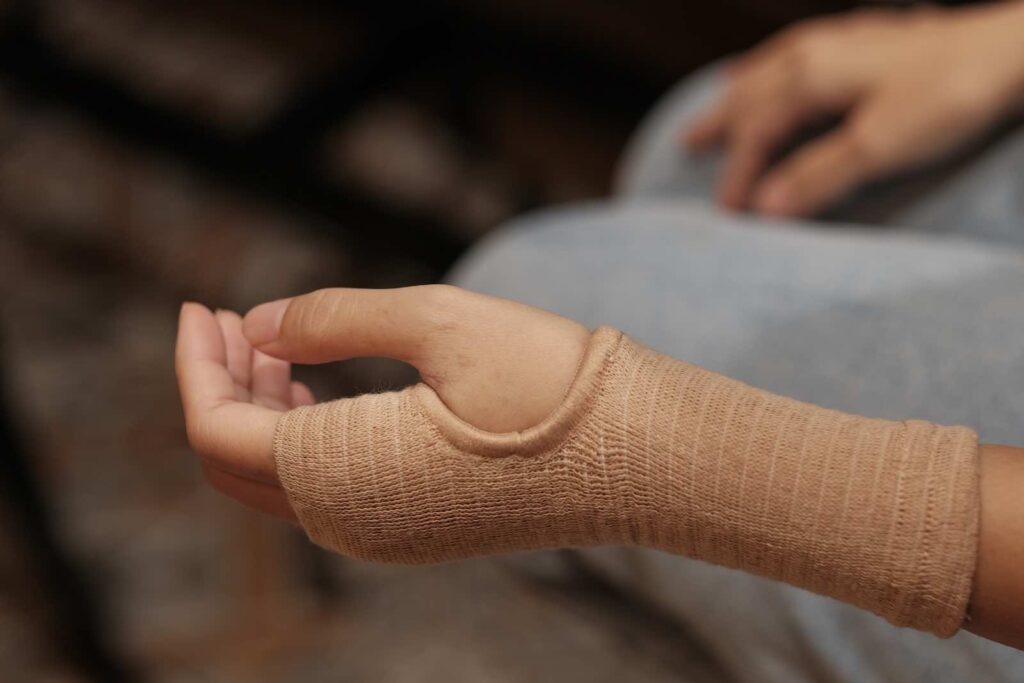
What can be done to improve scar healing? This question concerns many people after surgery or injury, as scars can impair not only aesthetic but also functional function. The scar healing process is complex and individual, but there are scientifically sound methods and therapeutic approaches that can optimally support the healing process. Early and consistent treatment, ideally under the guidance of specialized professionals such as occupational therapists in Frankfurt, is crucial to minimize the development of raised, painful, or severely hardened scars (hypertrophic or keloid scars). We would like to give you a detailed overview of the phases of scar formation and the effective therapeutic measures that can help you achieve soft, flexible, and inconspicuous scar tissue.
Understanding the basics of scar formation
Scar formation is a natural process of the body to close a wound after an injury or surgical procedure. This process occurs in several successive phases that extend over weeks to months and determine the outcome., What can be done to make scars heal better?.
The first phase, the inflammatory phase, begins immediately after the injury and lasts for a few days. During this phase, the body stops the bleeding and begins to cleanse the wound. The second phase, the proliferative phase, is characterized by the formation of granulation tissue and the synthesis of collagen fibers. In this phase, the wound is already closed, but the tissue is still fragile.
The third and longest phase is the maturation phase (remodeling phase), which can last from six months to two years. During this phase, the unstructured collagen fibers rearrange themselves, the scar becomes paler and flatter, and its tensile strength increases. Optimal intervention during this phase can significantly influence the final outcome of scar healing.
What to do to make scars heal better: Early treatment in Frankfurt
The key to successful scar treatment lies in starting therapy as soon as the wound is completely closed and the sutures are removed. At this point, the scar tissue is still active and malleable. In our practice in Frankfurt am Main, we place great emphasis on a combination of manual therapy, targeted scar massage, and edema management.
A common complication is postoperative or post-traumatic edema (swelling). The persistent accumulation of fluid in the tissue can hinder the healing process and increase the risk of unfavorable scarring. Techniques such as manual lymphatic drainage and compression therapy promote fluid drainage and reduce pressure on the healing tissue. This is an important step in creating optimal conditions early on., What can be done to make scars heal better?.
Essential scar management in the first few weeks
Direct treatment of the scar should begin gently. Here are the first steps we recommend:
- Protection against mechanical stress: Avoid excessive stretching or pulling on the fresh scar, as this can overstimulate collagen production and lead to a hypertrophic scar.
- Regular, gentle massage: Under the guidance of a specialized therapist in Frankfurt, perform small, circular or transverse massages. This helps to make scar tissue more supple and promote blood circulation.
- Humidity and pressure: Keep the scar moist, for example with special scar gels or ointments. The use of silicone pads or gels has become the gold standard, as they create a warm, moist environment while applying gentle pressure, which reduces excessive collagen production.
Special techniques for scar treatment in occupational therapy
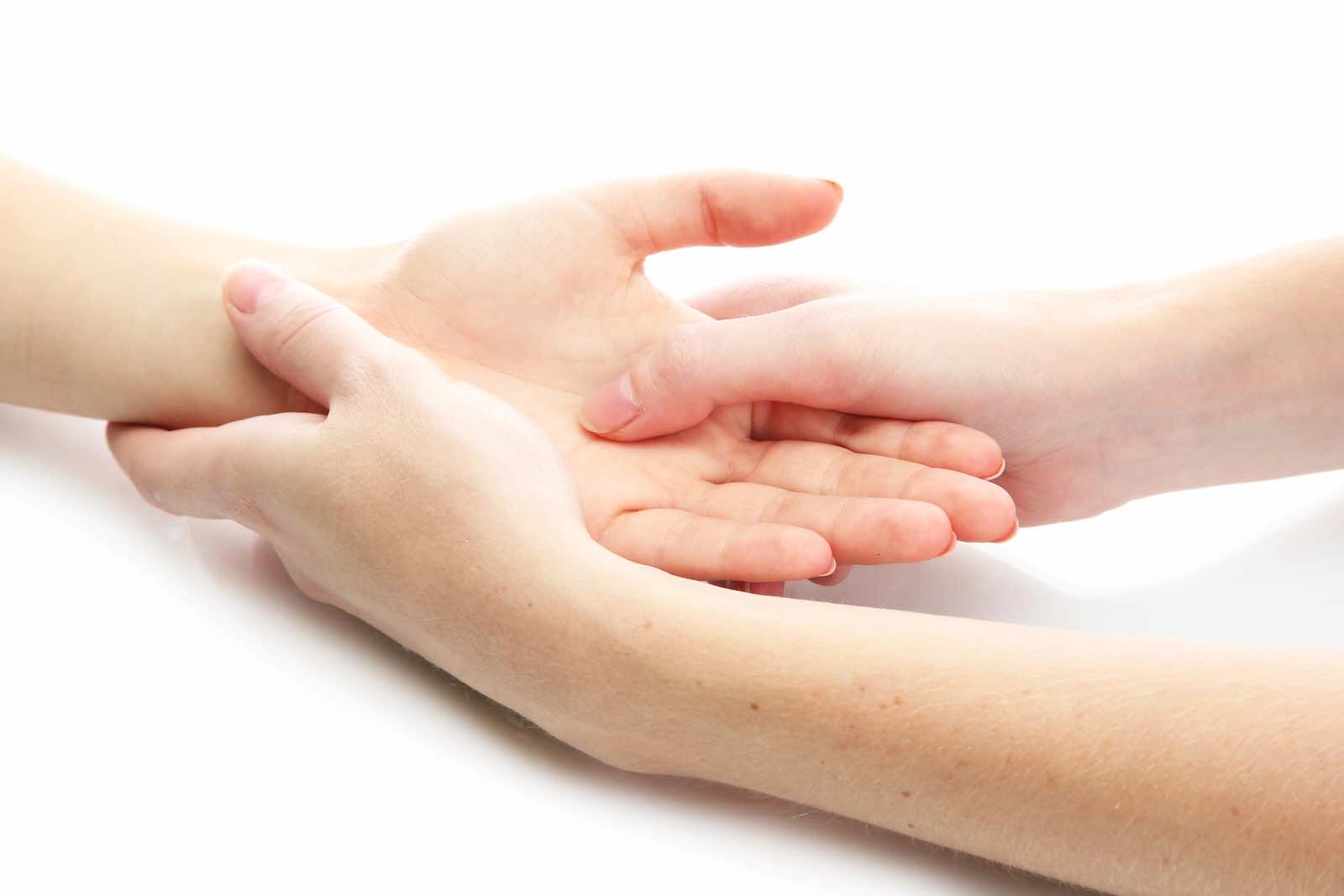
Occupational therapy offers a range of specialized techniques that go far beyond simple massage and have a significant impact on, What can be done to make scars heal better?. Our focus is on restoring function and preventing movement restrictions caused by scar adhesions.
Scar mobilization and friction
As the scar matures, we can use more intensive manual techniques in therapy. These include deep scar mobilization (friction), in which adhesions between the skin and underlying structures such as tendons, muscles, or joint capsules are specifically released.
- Advantage: The gliding ability of the tissue layers is improved, which is crucial, especially after tendon surgery, to restore full range of motion to the fingers and joints. A functionally well-gliding scar is key to regaining original hand function.
Use of pressure therapy and compression aids
The application of constant, metered pressure is a highly effective method., What can be done to make scars heal better? and to prevent the development of hypertrophic tissue.
method | Objective |
silicone pads | Maintaining an ideal moisture environment; reducing scar volume through gentle pressure. |
Compression gloves | Constant pressure applied across the entire hand; prevention of edema and excessive collagen production. |
Thermoplastic rails | Targeted application of pressure to individual, severely hypertrophic scar sections; correction of scar contractures. |
Kinesiology taping | Relief of skin tension around the scar; improvement of local blood flow and lymph circulation. |
The therapy in Frankfurt includes the individual fitting of compression gloves, which often need to be worn for months to achieve the best possible result. According to the latest scientific findings, these aids are an essential measure.
Scar treatment for CRPS and pain conditions
Scars can not only be aesthetically displeasing but can also lead to chronic pain. Particular attention should be paid to patients with Complex Regional Pain Syndrome (CRPS), in whom the scar is often hypersensitive (hyperalgesic) or severely painful.
In these cases, the goal of treatment is not only to soften the scar, but primarily to normalize sensitivity (desensitization). Through the use of various textures and stimuli, the nervous system is gradually accustomed to touch. The therapeutic process, What can be done to make scars heal better?, is extended here by a neurological component to optimize pain processing.
Functional rehabilitation and scar healing
A scar may appear healed externally, but it can functionally impair hand movement. Our therapy in Frankfurt always integrates scar treatment into a holistic, functional training program.
For example, if a scar impairs the gliding ability of the extensor tendons after a fracture, massage alone is insufficient. Targeted functional exercises are needed, which stimulate tendon movement under controlled load and thus release the adhesions. This approach ensures not only a soft scar, but above all, the restoration of full everyday function.
Prevention and home program: Your active contribution
The majority of the success lies in the consistent application of the therapy at home. We will provide you with detailed instructions., What can be done to make scars heal better? and how you can optimally integrate your individual home program into your everyday life.
Key points for your home scar program
- Continuous scar massage: Several times a day for short, intensive periods to actively influence the tissue.
- Regular stretching exercises: Under the guidance of the occupational therapist, to gently stretch the tissues shortened by the scar and prevent contractures.
- Application of the aids: Consistent use of compression gloves and silicone pads for the recommended duration.
- Sun protection: Avoid direct sunlight on the maturing scar for at least one year, as UV light can negatively affect the pigmentation of the scar.
Good cooperation between you and the therapist is indispensable. Your active participation in the home program ensures that the progress made in the Frankfurt therapy sessions is sustainably consolidated.
Frequently asked questions about how scars heal better
1. When exactly should I begin active scar treatment?
Active scar treatment should begin immediately after wound healing is complete, that is, as soon as the scab has completely fallen off or the sutures have been removed and there are no more open areas. In this early phase, the scar tissue is still very active and responds best to manual techniques and pressure therapy. In Frankfurt, we recommend starting with gentle measures as early as possible, as this is crucial., What can be done to make scars heal better? and to prevent adhesion.
2. What are the signs of unfavorable scar development?
Signs of unfavorable scar development include persistent, intense redness, itching, significant hardening, overgrowth beyond the original wound boundaries (keloid), or a raised, keloid-like scar within the wound boundaries. Additionally, pain upon touch or significant tension in the scar can indicate functional problems. In these cases, it is advisable to seek specialized help early on.
3. Do silicone gels or silicone patches really help with scar care?
Yes, silicone products are considered one of the gold standards in scar therapy, especially when it comes to..., What can be done to make scars heal better?. They work by keeping the scar moist while applying gentle, constant pressure. This reduces the excessive formation of collagen fibers, resulting in a softer, flatter, and less noticeable scar.
4. How often a day should I massage my scar?
We recommend massaging the scar several times a day for short, intensive sessions, ideally three to five times a day for about five minutes each time. Consistency is more important than the duration of each session. The massage should be performed in circular motions, both across and along the scar, gently moving the tissue to actively loosen adhesions.
5. What is the difference between a hypertrophic scar and a keloid?
Both are forms of excessive scarring. One hypertrophic scar It remains confined to the area of the original wound, is red, raised, and can often recede over time. Keloid In contrast, it grows beyond the original wound edges into the surrounding healthy tissue and generally does not regress spontaneously. The treatment approaches in our practice in Frankfurt are tailored to the specific shape of the scar.
6. How long does it take for a scar to fully mature?
The maturation phase of a scar is lengthy and can last between six months and two years, and in rare cases even longer. As long as the scar is still reddish, raised, or itchy, it is actively maturing. Consistent treatment during this time is crucial.
7. Can I go in the sun with my scar?
For the first six to twelve months, the scar should be protected from direct sunlight, as UV light can permanently damage the pigment cells in the scar tissue. This can lead to an unsightly, permanently darkened discoloration (hyperpigmentation) of the scar. We recommend using a high SPF sunscreen or covering the scar.
8. What role does nutrition play in scar healing?
A balanced, vitamin-rich diet is an important supporting measure to optimally influence, What can be done to make scars heal better?. Vitamin C, zinc, and protein are particularly essential for collagen synthesis and overall tissue repair. A nutritional deficiency can negatively impact the healing process.
9. Can splints or taping help if scars feel tight?
Yes, splints and kinesiology taping can be very helpful. Specifically rails They can be used in cases of scar contractures to gently stretch the scar over a longer period of time. Taping It can reduce skin tension around the scar, promote blood circulation, and thus alleviate the feeling of tightness. We offer individual consultations on these complementary measures in Frankfurt.
10. Who is the right person to contact for scar treatment?
The primary contact person for functional scar treatment is the specialized occupational therapist (or physiotherapist). We are trained to assess functional limitations caused by scars and to use targeted manual techniques, pressure therapy, and functional training. In cases of very noticeable or persistent keloids, a dermatologist or plastic surgeon may also be consulted.
Professional support for optimal results
The answer to the question, What can be done to make scars heal better?, The key lies in consistent, early, and individually tailored therapy. Our specialized approach in occupational and hand therapy at Leonie Kruse in Frankfurt combines manual techniques, modern assistive devices, and functional training to promote optimal scar healing. We value close collaboration with your treating physicians and surgeons. Trust in our professional expertise to optimally restore the function and aesthetics of your hand after an injury or surgery.
 English
  German