
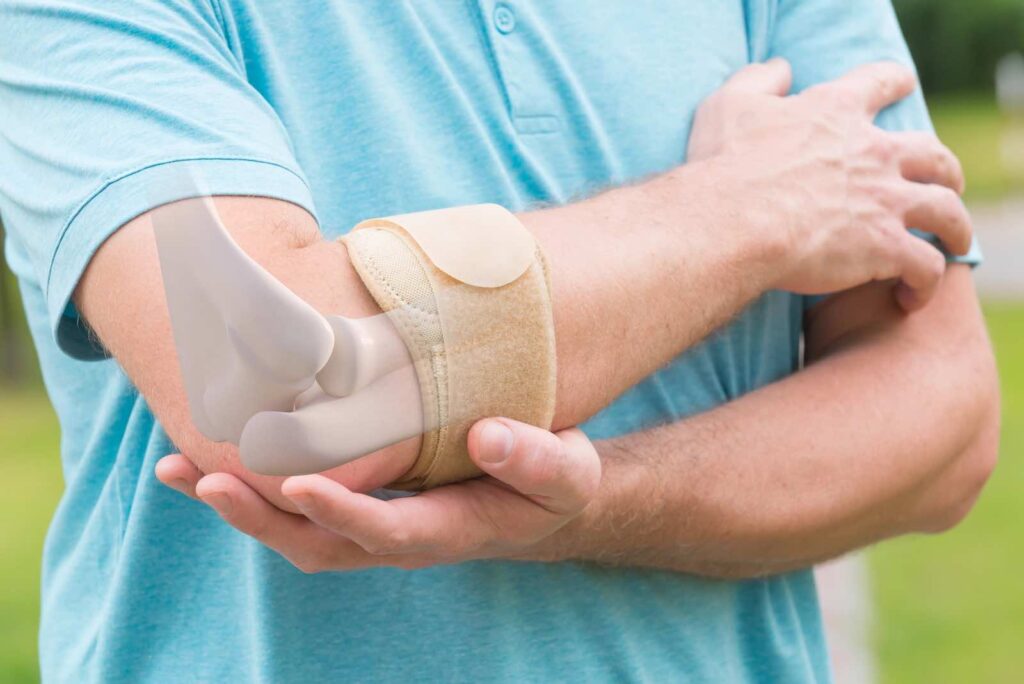
What can be done to make scars heal better? The quality of scar healing depends on a combination of immediate wound care, consistent long-term care, and protection from external influences. The goal is to keep the scar flat, supple, and as inconspicuous as possible by... Collagen production regulated and adhesions avoided.
1. What can be done to help scars heal better? The early wound phase (days 0 to 14)
The first few days are crucial for a smooth foundation for scar formation.
- Cleanliness and infection control: Keep the wound protected at all times. clean and dry. An infection is the biggest enemy of scar healing, as it leads to inflammation and excessive scar tissue.
- Immobilization: Protect the fresh wound from excessive Tension and tension. Movement that pulls the wound edges apart can lead to a wider and less attractive scar. Use a [medication/treatment] if necessary. Support tape or a rail.
- suture removal: Leave the threads or clips on time Remove. Leaving it on for too long can lead to small scars at the injection sites.
2. What can be done to help scars heal better? The maturation phase (from week 2)
Once the wound has closed and the scab has fallen off, active scar care begins, which should last six to twelve months.
A. Scar massage and suppleness
Regular massage is the most important mechanical measure for improving scar quality.
- Technology: Massage the scar several times a day (2-3 times) with light to medium pressure. Perform the massage in different directions (lengthwise, crosswise, and circularly) to align the collagen fibers.
- Care products: Use Rich creams, special scar gels or oils, which provide moisture and improve gliding properties.
- Purpose: The massage promotes blood circulation and loosens Adhesives with deeper structures (muscles, tendons), which is particularly noticeable with scars on the hand. Functionality secures.
B. Moisture retention through silicone
The application of silicone is an established method to make the scar flatter and softer.
- Silicone products: Use silicone plaster or silicone gels. These should be applied directly to the scar.
- Operating principle: Silicone creates a humid chamber on the scar (occlusion effect). This regulates collagen production in the tissue and reduces the risk of hypertrophic scarring (raised scar).
- Duration: For optimal effect, silicone therapy should be administered via several months will be continued consistently.
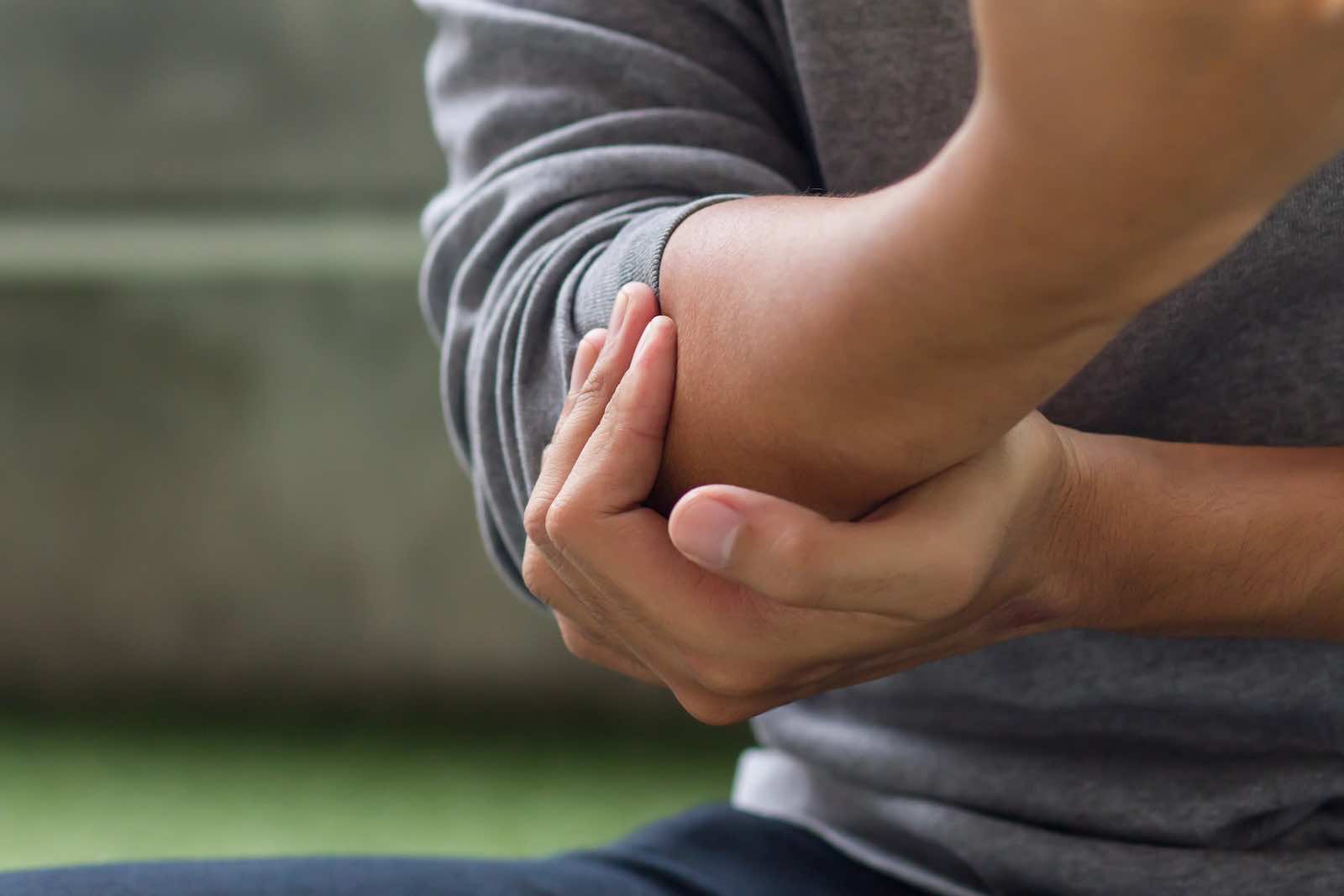
3. What can be done to help scars heal better? Protection from harmful influences
Two external factors have a particularly negative impact on scar healing and must be strictly avoided.
- UV radiation (sun): The fresh scar is very sensitive UV light permanent, dark discoloration (hyperpigmentation) This can lead to scarring. Protect the scar consistently for at least 6 to 12 months with Clothing or Sunscreen (SPF 50+).
- Mechanical train: Avoid all activities that lead to strong pull on the scar. In the case of scars over joints (such as on the hand), wearing [something] can [be beneficial]. Compression clothing or taping can help reduce the tension.
4. Special treatments in case of unsatisfactory healing
If the scar becomes too thick, raised, discolored, or painful despite self-care, medical treatments are available.
Scar problem | Medical intervention options |
Raised scars (hypertrophic scars/keloids) | Cortisone injections (reduce inflammation and collagen production), pressure therapy (compression clothing), cryotherapy (freezing). |
Redness and inflammation | Laser treatments (special vascular lasers to reduce redness). |
Restricted movement (contracture) | Targeted Physiotherapy and occupational therapy for intensive stretching and mobilization of the scar. |
Wide, sunken scars | Surgical scar correction or fillers (e.g., hyaluronic acid). |
5. Frequently Asked Questions about Scar Healing
1. How long does it take for scars to heal better or mature?
Scars need a lot of time to heal properly or mature completely. The maturation phase usually lasts... 12 to 18 months. During this time, the scar changes color, becoming paler and flatter. The first few months are the most active, and consistent care is most important during this period to achieve the best results.
2. What can be done to prevent scars from becoming so red?
To prevent scars from becoming too red, the consistent cooling and avoiding inflammation is essential. The redness is caused by increased blood flow during the healing process. silicone plaster to help reduce redness. In cases of very severe, persistent redness, a targeted laser (e.g. a pulsed dye laser) to treat the blood vessels and improve the color.
3. What can be done to help scars heal better if they itch?
Itching is a normal sign of active scar healing. Humidity and cooling These are the best self-help measures. Regularly apply moisturizing creams or scar gels, and use silicone patches to soothe the skin barrier. Absolutely avoid scratching, as this would further irritate the scar and worsen the healing process.
4. Are scar creams better than simple moisturizing creams?
Special scar creams or gels often contain additional active ingredients such as Allantoin or onion extract, which are intended to improve the suppleness of the scar. However, more important than the specific active ingredient is the moisturizing, rich base the cream in combination with the mechanical massage. A simple but rich cream, applied consistently, can help heal the scar.
5. What can be done to help scars heal better and not become raised?
To prevent scars from becoming raised (hypertrophic scars), the early and consistent use of silicone products (plaster or gel) as well as the Pressure therapy Very effective. Silicone regulates moisture management and inhibits excessive collagen production. If there is a known tendency towards raised scars, these measures should be started immediately after wound closure.
6. Should I still treat older scars to help them heal better?
Yes, even older, hardened scars can still be improved through treatment. Intensive, regular massages and Stretching exercises Even years later, scar tissue can still break down and become more supple. Especially in cases of functional limitations, physiotherapy can help mobilize the scar, which positively influences its healing.
7. What can be done to help scars on the hand heal better and maintain mobility?
In order for scars on the hand to heal well and for mobility to be maintained, massage is one of the following: early and targeted physiotherapy or occupational therapy Essential. Therapy should focus on mobilizing the scar not only superficially but also in its deeper layers to prevent adhesions to tendons and joint capsules. Movement without tension is key.
8. What role does nutrition play in scar healing?
A balanced diet is the foundation for good healing. Ensure an adequate intake of proteins (for tissue building), Vitamin C (important for collagen synthesis) and zinc (essential for wound healing). A healthy diet indirectly contributes to better scar healing.
9. What to do if a scar after carpal tunnel surgery is painful?
If a scar appears after surgery on Carpal tunnel syndrome If it is painful, it should be massaged intensively to prevent adhesions of the scar tissue to the median nerve (so-called scar tissue adhesions). „"Tethering"“The massages should begin gently and gradually become more intense. If pain persists, a doctor or therapist should check whether the nerve is possibly still trapped in scar tissue.
10. Can scars heal better with home remedies?
Some home remedies such as Olive oil or coconut oil Due to their fat content, they can be used for massage and support the suppleness of the scar. However, home remedies do not replace scientifically proven methods such as... silicone products or the Pressure therapy, especially in cases of a tendency towards noticeable scarring. The most important effect of this home remedy lies in the consistent mechanical massage.

 English
  German