

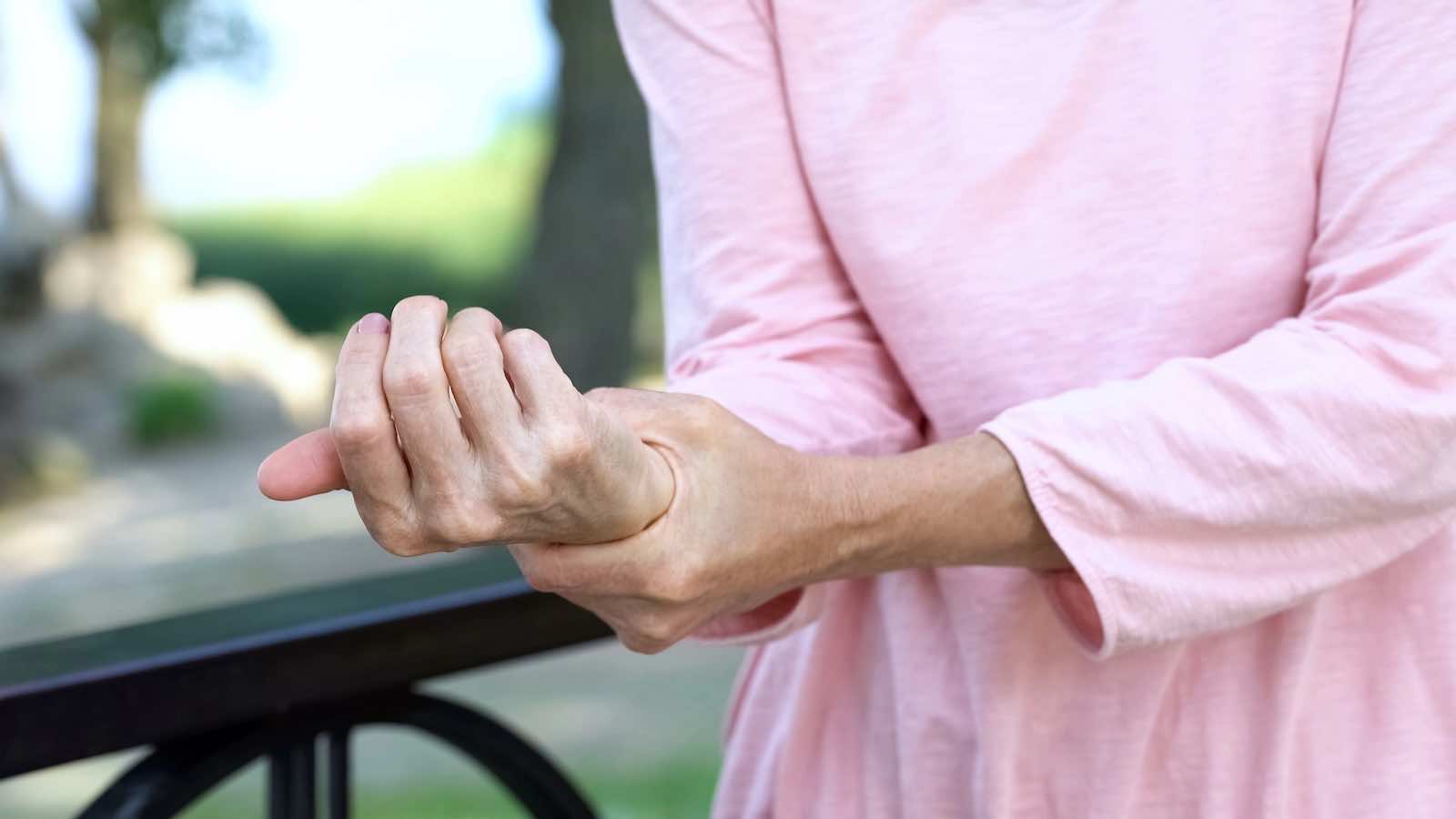
What is passive mobilization? The passive mobilization is a fundamental technique in occupational therapy and physiotherapy, in which a therapist or the patient himself (with his healthy hand) a joint or a body part moves, without actively tensing the patient's corresponding muscles. This technique is crucial for maintaining or restoring joint mobility, especially when active movement is restricted due to pain, muscle weakness, paralysis, or after prolonged immobilization (e.g., in a cast). The answer to What is passive mobilization? lies in the external, controlled movement to prepare for active exertion. In our practice in Frankfurt We use passive mobilization specifically to release adhesions in joint capsules and soft tissues.
The principles and goals of passive mobilization
The technique of passive mobilization It is therapeutically precise and pursues specific goals for joint and tissue health.
- Preservation of mobility (ROM): Prevents the shrinking of capsules, ligaments and muscles, and thus joint stiffness (contracture).
- Breaking down adhesive bonds: Helps to release adhesions in the joint capsule, ligaments or between tendon sheaths after injuries.
- Nutrition of the articular cartilage: Promotes the circulation of synovial fluid („joint lubricant“), which supplies the cartilage with nutrients.
Distinction: Passive vs. Active
To understand, what passive mobilization is, one must distinguish them from active movement. In the case of the passive mobilization The movement is performed by an external force (therapist); the patient's muscles are relaxed and not working. During the active mobilization The patient moves the joint themselves by contracting their own muscles. The passive method is often used. first It is used to relieve pain and increase the range of motion before active strengthening can begin.
Application of passive mobilization in hand therapy
The technique of passive mobilization It is widely used, especially in complex joints such as the hand and wrist.
|
scope |
Therapeutic benefits |
|
After immobilization (plaster cast) |
Restoring joint freedom and lengthening shortened structures. |
|
Osteoarthritis/Rheumatism |
Pain relief through the promotion of synovial fluid and preservation of residual mobility. |
|
Post-operative rehabilitation |
Prevention of scar adhesions and controlled movement for tendon gliding. |
|
Neurological deficits |
Prevention of contractures in paralysis and preservation of range of motion. |
|
Edema reduction |
Support of venous and lymphatic return through gentle movement. |
Passive mobilization technique
The implementation of the passive mobilization This requires precision. The therapist stabilizes the proximal joint (the joint closer to the center of the body) and moves the distal joint (the farther joint) slowly, rhythmically, and in a controlled manner to its individual limit of movement. Adherence to the... Pain threshold of the patient. A slow, gentle pull (traction) in the joint can also be part of passive mobilization to optimally relieve the cartilage.
Frequently Asked Questions about Passive Mobilization (FAQ section)
1. Is passive mobilization painful?
The passive mobilization should not painful It should not cause injury, but at most a feeling of stretching at the end of the range of motion. Sharp pain is a warning signal and must be heeded immediately to avoid overstretching of tissues.
2. Can I perform passive mobilization myself?
Yes, you can. active-assisted mobilization Perform this yourself by using your healthy hand to gently move the affected joint beyond its active range of motion. The pure passive mobilization However, treatment of complex joints by a therapist is more effective.
3. What is the difference between passive mobilization and stretching?
The passive mobilization is a targeted movement of the joint to improve joint play (within the joint capsule). Stretching It focuses primarily on lengthening the muscle-tendon complex. Both techniques are often used in combination.
4. What happens if passive mobilization is neglected?
If the passive mobilization If neglected, it can quickly lead to a Joint stiffness (Contracture) occurs, in which capsules and ligaments shrink and mobility is permanently and painfully restricted.
5. When should passive mobilization not be used?
The passive mobilization It should not be used in cases of acute inflammation, unconsolidated fractures (broken bones), acute joint infections, or severe pain that is aggravated by movement.
6. How long does a passive mobilization session last?
The duration of passive mobilization It is variable, but usually it occupies a specific part of the therapy session (e.g. 10–15 minutes) and is often combined with active and strengthening exercises.
7. What is the role of passive mobilization before strength training?
The passive mobilization serves as Preparation before strength training. It establishes the necessary range of motion so that the following strengthening exercises can be performed functionally and to their full extent.
8. Can passive mobilization help to loosen scars?
Yes, indirectly. Through the movement of the surrounding joints and the gentle stretching of the soft tissues, the passive mobilization This helps to improve the elasticity of the tissue around the scar and reduce adhesions.
9. Is passive mobilization necessary after a tendon transplant?
Yes, but she must extremely cautious and must be performed according to a strict protocol. Movement of the joint is necessary to prevent tendon adhesions (tendon slippage), but the passive range of motion must not exceed the tension on the fresh graft suture.
10. Where in Frankfurt can I receive passive mobilization after an injury?
In our specialized hand therapy practice in Frankfurt We offer passive mobilization as a central component of your rehabilitation plan. Our therapists are specially trained to apply this technique precisely and safely.


 English
  German