
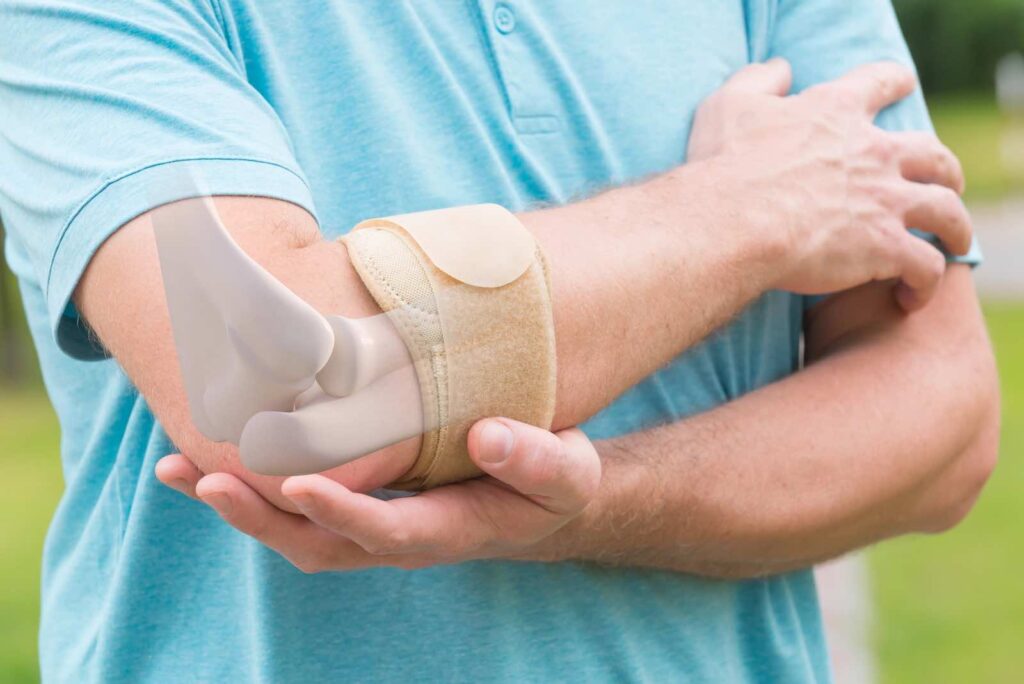
What helps quickly against carpal tunnel syndrome? Carpal tunnel syndrome (CTS) is caused by compression of the median nerve in the carpal tunnel at the wrist, leading to characteristic symptoms such as nighttime tingling, numbness, and pain. If you are experiencing acute symptoms, prompt treatment primarily aims to relieve the pressure on the nerve. to reduce pressure on the nerve and the To reduce swelling in the wrist area. While a definitive cure usually requires longer-term treatment, there are conservative immediate measures that can quickly help to alleviate symptoms.
What provides fast relief from carpal tunnel syndrome? Immediate home relief.
The quickest and most effective measures you can take at home focus on relieving pressure on the wrist and reducing swelling.
1. Positioning and shaking the hand
The simplest measure is often the most effective, especially in the case of nighttime attacks.
- Shake and loosen: If you are woken up at night by tingling or pain, you should not clench your hand tightly into a fist, but rather hold it loosely. shake or circle Let it move. This movement releases the accumulated fluid and can immediately reduce the pressure on the nerve.
- Elevate: Rest your hand and forearm as often as possible. above heart level (e.g., lying on a pillow or resting on the back of a chair). Elevating the leg reduces swelling, which relieves pressure in the carpal tunnel.
2. Cooling
Cold can help to reduce acute inflammatory processes and the associated swelling.
- Ice packs: Place a cold pack wrapped in a cloth inside for a maximum of 10 to 15 minutes to the wrist area.
- Caution: Avoid direct contact of the cold with the skin to prevent frostbite. Do not cool for too long to avoid excessively impairing blood circulation.
What provides quick relief from carpal tunnel syndrome? Medication and orthopedic measures.
For faster and more lasting relief, medications or special aids can also be used, which are prescribed by a doctor or available in pharmacies.
3. Non-steroidal anti-inflammatory drugs (NSAIDs)
- Effect: Anti-inflammatory and pain-relieving medications (e.g., ibuprofen or diclofenac) can be taken to alleviate the acute inflammatory reaction in the area of the carpal tunnel.
- A notice: These medications offer rapid relief, but do not treat the underlying cause of the constriction and should not be taken for extended periods without medical advice.
4. Consistent splint treatment
Immobilization of the wrist in a neutral position It is the most important conservative treatment and helps quickly against carpal tunnel syndrome by reducing pressure on the nerve.
- Night splint (orthosis): Wearing a special, prefabricated or individually fitted splint (orthosis) during the night It is essential. It prevents the unconscious bending of the wrist during sleep, which is the main cause of nighttime pain.
- Effect: Immobilization maximizes the width of the carpal tunnel, giving space to the median nerve and providing rapid relief during the night.
|
Immediate action |
Mode of action |
Frequency for fast relief |
|
Positioning above heart level |
Reduces swelling and pressure on the nerve. |
As often as possible, especially at night. |
|
Ice pack (10-15 min.) |
Reduces acute signs of inflammation. |
2-3 times daily for acute pain. |
|
Night rail |
Prevents unconscious bending of the wrist. |
Wear it consistently every night. |
|
Anti-inflammatory drugs (NSAIDs) |
Suppresses pain and inflammation (in the short term). |
As per doctor's instructions. |

How can carpal tunnel syndrome be treated quickly? Advanced conservative therapies.
If home remedies and a night splint alone are not sufficient, medical interventions can quickly provide relief by directly targeting the inflammation and swelling.
5. Local injections
An injection of cortisone In the area of the carpal tunnel, it can cause a very rapid and significant reduction in inflammation and swelling.
- Advantage: The effect often occurs within 24 to 48 hours and provides effective pain relief for weeks or months.
- Disadvantage: A cortisone injection does not permanently treat structural narrowing and can damage tissue if used too frequently. Therefore, it should only be administered when strictly indicated.
What helps to manage carpal tunnel syndrome in the long term?
Although you may be looking for quick relief, long-term control of carpal tunnel syndrome is crucial to prevent it from becoming chronic or causing irreversible nerve damage.
Occupational therapy and hand therapy
Specialized hand therapy (occupational therapy) supports the treatment through:
- Neurodynamic exercises: Targeted exercises to improve the gliding ability of the median nerve within the carpal tunnel.
- Stretching exercises: Loosening of the forearm muscles, which could indirectly increase pressure on the carpal tunnel.
Avoiding triggers
Understanding the causes that trigger or worsen carpal tunnel syndrome (CTS) is crucial.
- Avoid extremes: Keep your wrist in a neutral, straight position at all times, whether you're working (e.g., at the computer) or sleeping. Avoid strong and repeated bending or straightening of the wrist.
- Ergonomics: Ensure an ergonomically designed workplace to minimize strain on the wrist.
Frequently asked questions about carpal tunnel syndrome and quick help
1. What helps quickly against carpal tunnel syndrome at night when I wake up?
If you wake up at night, this can quickly help with carpal tunnel syndrome. Shake and circles of the hand. Stand up briefly and move your hand gently to promote blood circulation and lymphatic drainage. If you wear a night splint, check that it is still correctly positioned and holding your wrist straight. This immediate action will relieve the acute pressure on the nerve.
2. Can I cure carpal tunnel syndrome with home remedies?
No, home remedies alone are usually ineffective against carpal tunnel syndrome. not heal. However, they can be excellent for rapid relief of symptoms These measures can help reduce swelling (e.g., cooling) and relieve pressure on the wrist. Healing depends on eliminating the cause of the pressure, which often requires consistent splinting or, if conservative measures fail, surgery.
3. Should I warm or cool my hand in case of acute pain?
At acute pain and swelling is cooling Cooling is generally more suitable. It helps to quickly reduce the inflammatory response and edema in the tissue, thus reducing pressure on the median nerve. Heat, on the other hand, can promote blood flow and potentially swelling, and should therefore only be used for chronic, non-inflammatory pain or to relax muscles.
4. How quickly does a cortisone injection work against carpal tunnel syndrome?
A cortisone injection can very fast Patients often feel the effects within 24 to 48 hours A significant reduction in symptoms is achieved because cortisone is a powerful anti-inflammatory and quickly reduces swelling in the carpal tunnel. However, the effect may diminish after weeks or months, as the mechanical narrowing itself is not corrected.
5. Does a wrist splint also provide quick relief from carpal tunnel syndrome during the day?
A wrist splint also helps against carpal tunnel syndrome during the day by keeping the wrist in a neutral, nerve-protecting position. During the day Wearing is usually done when stressful activities or recommended for use at work. However, the splint can be a hindrance during the day, which is why consistent nighttime use is considered more important, as this is when the most severe symptoms occur.
6. Should I exercise or rest if I have carpal tunnel syndrome symptoms?
In case of acute carpal tunnel syndrome symptoms, you should rest and relieve the hand. Sports that involve extreme flexion or extension of the wrist (e.g., certain yoga exercises, weight training with significant flexion) should be avoided. However, gentle movements of the fingers and arm to promote blood circulation are beneficial in preventing stiffness.
7. Can taking vitamin B6 quickly help with carpal tunnel syndrome?
Vitamin B6 (pyridoxine) supplementation is sometimes recommended for carpal tunnel syndrome (CTS) because it plays an important role in nerve function. However, its effect on acute symptoms is questionable. not fast and scientifically controversial. The primary immediate measures, What helps quickly against carpal tunnel syndrome?, Mechanical relief and anti-inflammatory measures are key. Supplementation should always be done in consultation with a doctor.
8. What happens if the quick fix for carpal tunnel syndrome doesn't work?
If immediate conservative measures such as splinting and cooling do not bring rapid relief, or if the symptoms (especially numbness) persist or worsen, this indicates a stronger compression of the nerve In this case, an immediate consultation with a specialist (neurologist/hand surgeon) is necessary to rule out irreversible damage to the median nerve and, if necessary, to assess the indication for surgery.
9. What should I change immediately at work to alleviate my carpal tunnel syndrome?
At your workplace, you should immediately take measures to ergonomic optimization Grab it. Make sure your wrist is in a comfortable position while typing and using the mouse. neutral (even) position is held. Use ergonomic mouse pads or keyboards with a palm rest to avoid bending the wrist, which can increase pressure in the carpal tunnel.
10. What is done in occupational therapy to quickly help with carpal tunnel syndrome?
In occupational therapy, the focus is on the Instructions for neurodynamic exercises, which are intended to improve the gliding ability of the nerve. Furthermore, What helps quickly against carpal tunnel syndrome?, This is implemented in the form of custom-made splints. The therapist can immediately create a tailor-made night splint that optimally relieves the wrist.


 English
  German