Treatment of neurological and nerve-related functional disorders
Restoration of hand function through specialized neuromotor therapy in Frankfurt
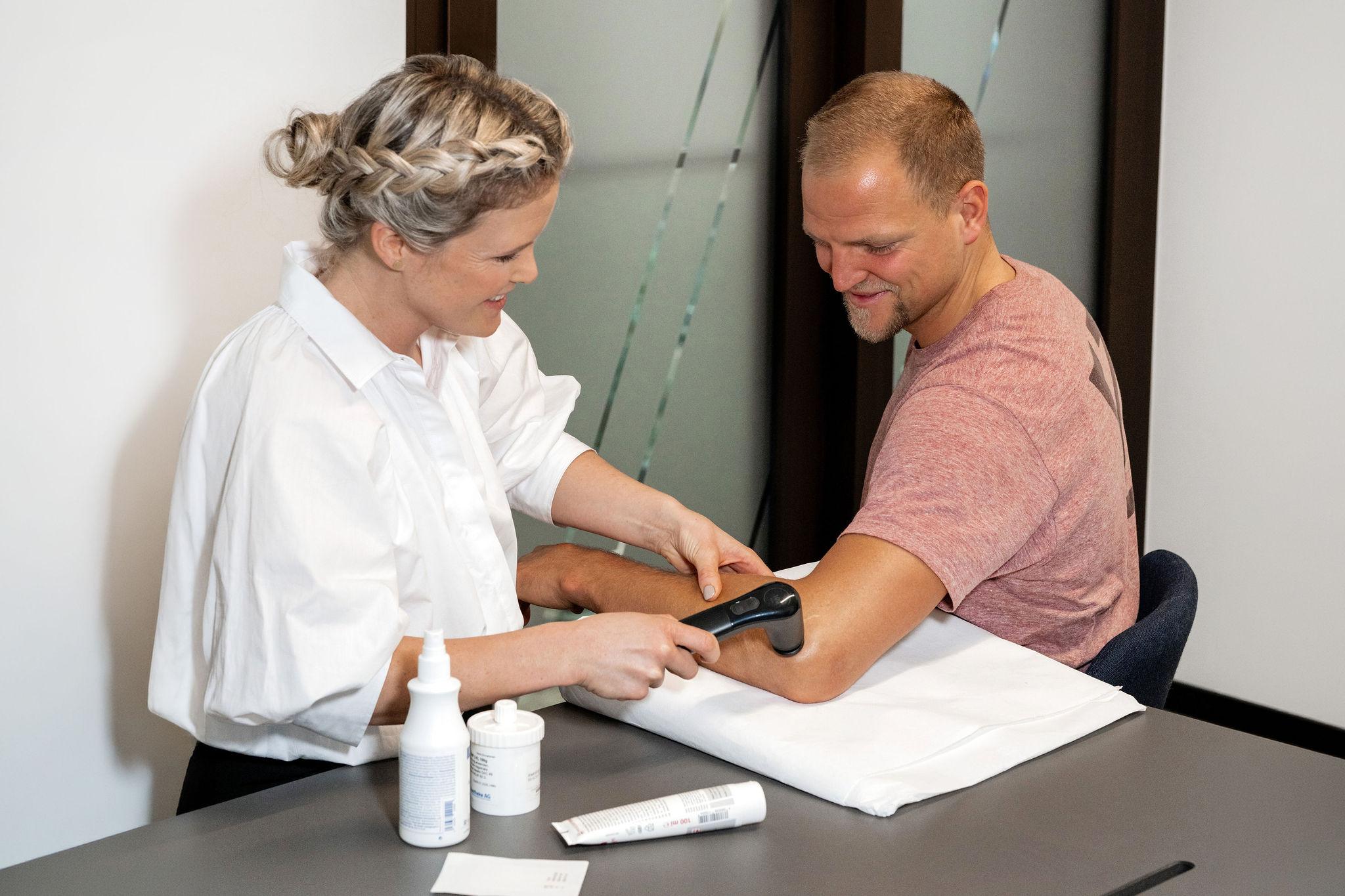
Nerve damage such as carpal tunnel syndrome, peripheral nerve lesions, or paralysis following injuries severely impairs the fine motor skills and sensation in your hand. These disorders often lead to numbness, loss of strength, and limitations in daily life. At our hand therapy practice in Frankfurt am Main, we offer highly specialized treatment to promote nerve regeneration, prevent deformities, and specifically restore neuromuscular control in your hand.
Special treatment of nerve compression syndromes (e.g., carpal tunnel, Guyon's canal).
Therapy for peripheral nerve lesions and sensorimotor deficits.
Custom rail construction for storage, dynamic enhancement or functional support.
Your situation
Cause-oriented treatment in Frankfurt
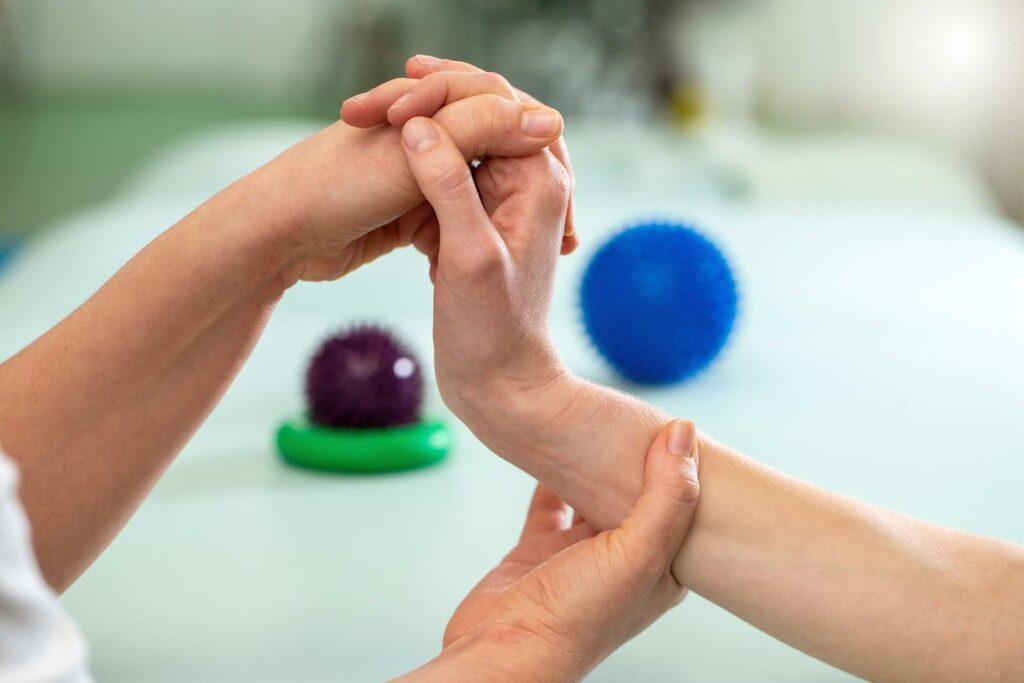
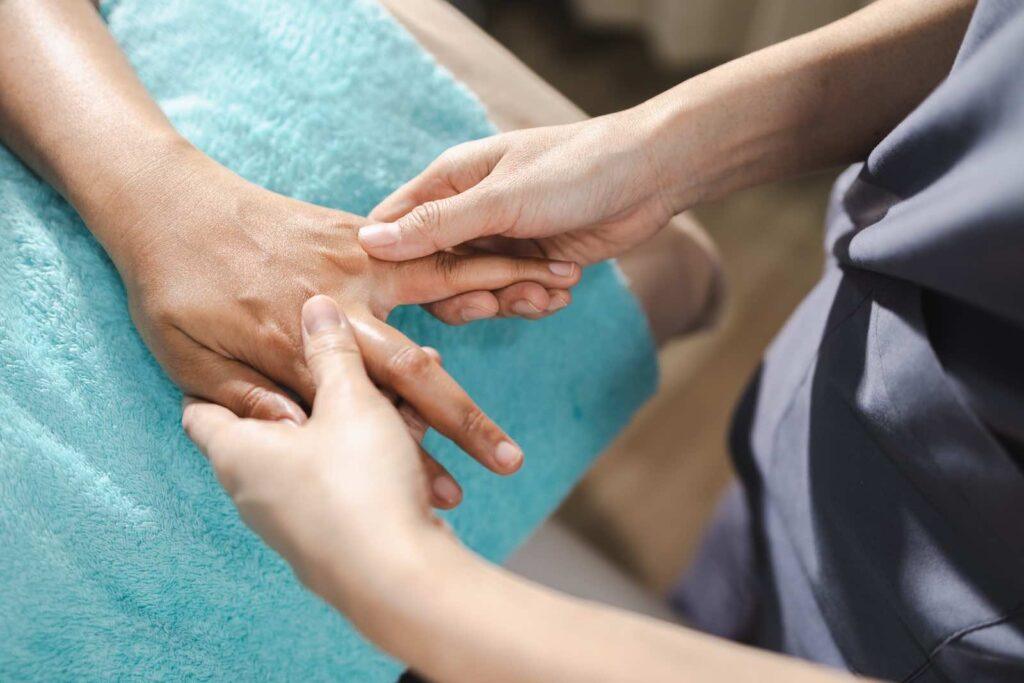
Nerve compression syndromes such as the Carpal tunnel syndrome These are common diagnoses where nerves are irritated due to compression. We begin therapy with pressure-relieving measures and special mobilization techniques for the nerve tissue (nerve gliding) to reduce abnormal sensations such as tingling or numbness.
At peripheral nerve lesions (e.g., after lacerations or accidents) splint therapy is the primary treatment. In Frankfurt, we manufacture custom static or dynamic splints that hold affected muscle groups in a functional position, thus preventing contractures or malpositions.
The problem with neurological disorders often lies in the disrupted communication between the brain and muscles. Our therapy therefore always includes targeted interventions. Sensitivity training and re-education of motor skills to make the hand precisely controllable again.
For active treatment, we use mirror therapy and computer-assisted coordination exercises. The aim is to utilize the brain's plasticity to compensate for lost functions and to sustainably improve hand strength and grasping function in everyday life.
We work closely with you to define your functional goals – whether it's buttoning a shirt independently or returning to work. Only through consistent neurological rehabilitation can the best possible recovery be achieved.
Take action now to protect your mental health!
Learn how to restore the functionality of your hand.
Through targeted Nerve gliding exercises In Frankfurt, we reduce mechanical stress along the nerve pathways and promote the supply of nutrients to the tissue. This accelerates regeneration after injuries and significantly alleviates chronic irritation.
The individual rail construction This is a core competency of our practice. Whether for nighttime positioning in carpal tunnel syndrome or as a dynamic splint for radial nerve palsy – we precisely adapt the aids to your anatomy to optimally support healing.
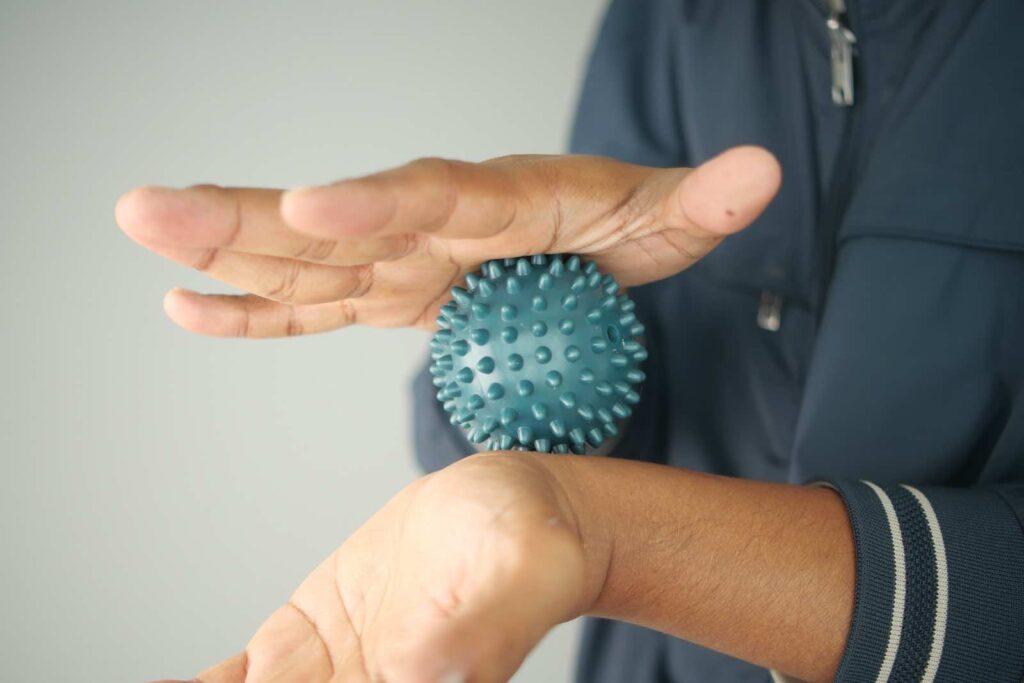
An essential part of the treatment is the Desensitization training In cases of hypersensitivity or targeted training of discrimination ability in cases of numbness, we use various surface textures and stimuli to "retrain" the nerve endings in your hand.
The specific neuromuscular training This includes exercises to strengthen the muscles supplied by the nerve. As soon as the first signs of re-innervation (nerve return) are visible, we support this process with targeted activation patterns.
We also advise you on how to manage sensitive disturbances in the home (e.g., protection from burns in cases of numbness). These preventative measures are crucial to avoid further damage during the nerve's regeneration phase.
Added value and outlook
Sustainable regeneration through neurological expertise
The goal of our therapy is not only symptom relief, but the maximum possible restoration of your independence. Through a combination of modern splinting and evidence-based neurorehabilitative procedures, we promote the healing of your nerve connections. My expertise in hand therapy guarantees you specialized care in Frankfurt that meets the complex demands of the nervous system and restores control of your hand.
Yes, through targeted sensory training and nerve mobilization, we can often achieve an improvement in perception even in cases of long-standing symptoms.
In mirror therapy, the healthy hand is observed while the brain perceives it as the affected side. This stimulates the motor areas in the brain and helps with pain or paralysis.
 German
  English