
Wound healing after hand surgery Postoperative care is a complex and critical process that significantly determines the success of the surgical procedure. Whether after fractures, tendon or nerve reconstructions – careful and phase-oriented aftercare is crucial to prevent complications such as infections, excessive scarring, and restricted movement. In our practice in Frankfurt We will accompany you through all phases of the Wound healing after hand surgery, From controlling initial swelling to complete scar maturation, we offer you not only targeted therapy, but also the necessary information on dressing changes, splint adjustments, and gradual mobilization.
The biological phases of wound healing after hand surgery
The Wound healing after hand surgery It progresses in three overlapping biological phases, which determine the therapeutic timeline. Understanding these phases is essential for the correct execution of dressing changes and the initiation of mobilization.
1. Inflammatory phase (exudative phase)
This phase begins immediately after the operation and lasts approximately three to five days. It serves to cleanse the wound. Blood vessels briefly constrict, then dilate, leading to the typical redness and swelling. The risk of infection is highest during this phase.
- Focus of therapy: Wound protection, immobilization with a splint, consistent edema control to minimize swelling.
- Dressing change frequency: The first bandage changes The first check-up usually takes place two to five days after the surgery.
2. Proliferation phase (repair phase)
This phase begins around the fourth day and lasts until... third week. New tissue (granulation tissue) forms, and the wound contracts. Collagen fibers are synthesized, which initially makes the scar appear firm and hardened.
- Focus of therapy: Initiation of scar management and controlled, early functional mobilization (after medical clearance) to prevent adhesions of tendons and nerves.
- Dressing change frequency: The dressing is changed regularly every one to two days until the sutures are removed (approx. day 10 to 14).
3. Maturation phase (remodeling phase)
This phase begins after about three weeks and can last up to two years The process continues. The collagen is remodeled, the scar becomes paler, softer, and gains tensile strength. The goal of the therapy is optimal functional restoration.
- Focus of therapy: Intensive scar management, functional strength building and return to full resilience.
Special care and dressing changes after hand surgery
The question, How often should I change the dressings after the operation?, The dressing is central to initial wound care. Its purpose is to protect the wound from mechanical stress and germs, and to stabilize the operated structures.
You will always receive precise instructions for changing the dressing from your surgeon or at our practice. Frankfurt. Improper or premature dressing changes can increase the risk of infection or bleeding.
component of aftercare | Objective |
Edema and pain therapy | Reduce swelling quickly |
Joint and soft tissue mobilization | Achieving full mobility |
Scar and tissue care | Elasticity and function ensure |
Functional strength training | Regaining everyday skills |
Individual rail consultation | Optimally support the healing process |
Important signs of complications
Patients who are in the phase of Wound healing after hand surgery Those who find themselves in this situation must pay attention to the following warning signs, which require an immediate visit to the doctor:
- Severe pain: Sudden onset or rapidly increasing pain.
- Fever: An increase in body temperature, which may indicate a systemic infection.
- Wound secretion: Discharge of purulent or strong-smelling secretion from the wound.
- Redness and overheating: Pronounced redness spreading from the wound edge.
The role of occupational therapy in the transition to function
Once the sutures are removed and the primary Wound healing after hand surgery Once the initial assessment is complete (usually after 10–14 days), the core work of occupational therapy begins: early functional treatment. The focus shifts from pure protection to... active recovery of hand function.
Scar management as the key to success
The hardening of scar tissue is a natural part of the process. Wound healing after hand surgery. However, if the scar adheres to underlying tendons or nerves (adhesions), movement is severely restricted. Through targeted treatment Scar management in our practice in Frankfurt How do we prevent these adhesions?
- Manual friction techniques: Detaching the scar from the underlying tissue.
- Pressure therapy: Compression bandages or silicone pads regulate collagen production, making the scar flatter and softer.
Integration of rails and aids
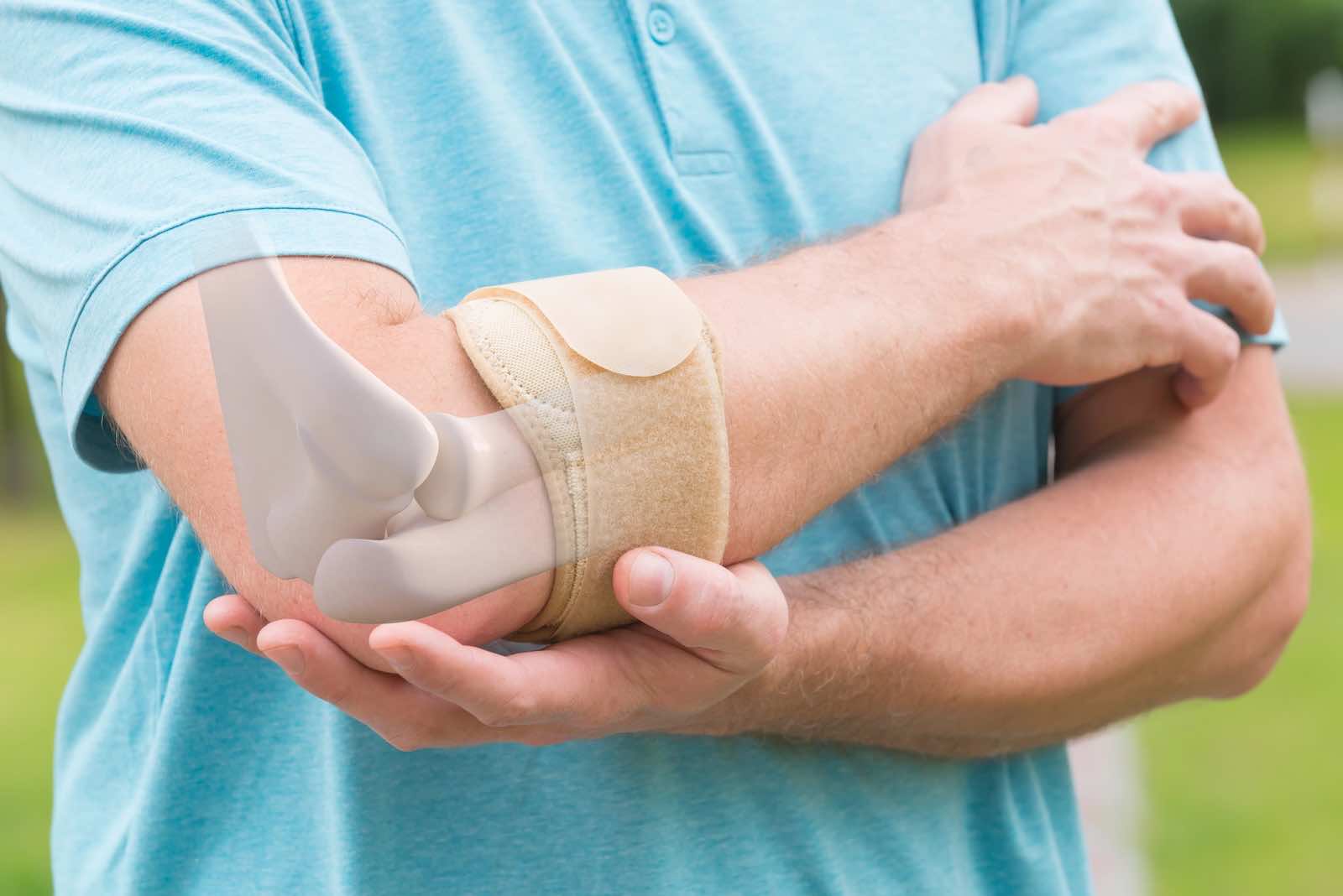
Especially during the transition phase of Wound healing after hand surgery is the use of individually adapted rails Essential. They protect the operated structures during the healing process, prevent misalignment, and enable controlled, safe mobilization. We will advise you comprehensively on the care and correct use of the splint.
The goal of our treatment is to guide you safely through every phase of the Wound healing after hand surgery to guide you and create the optimal conditions for a full restoration of your ability to act.
Frequently asked questions about wound healing after hand surgery (FAQ section)
1. How often should I change the dressings after the operation?
The first bandage changes is usually two to five days This is done after the operation by the surgeon or the general practitioner. Afterwards, a change is usually necessary. every 1 to 2 days This may be necessary until the stitches are removed. However, this depends heavily on wound drainage and your doctor's instructions. Please always follow your doctor's specific instructions.
2. When can I wet my hand again after the surgery?
The hand should only get properly wet again once the wound is completely closed and the stitches have been removed, which is usually... after 10 to 14 days. Beforehand, the wound should be kept dry while showering using special shower plasters or a protective bandage to reduce the risk of infection during the procedure. Wound healing after hand surgery to avoid.
3. What can I do about the severe swelling (edema) after hand surgery?
Swelling is a normal part of the initial process. Wound healing after hand surgery. You can actively reduce these by frequently using your hand. Elevate (above heart level), perform gentle active movements of the non-operated fingers (if permitted) and the manual lymphatic drainage Utilize the occupational therapist's guidance. Consistent elevation of the leg is the most important contribution made at home.
4. When does occupational therapy begin after hand surgery?
Occupational therapy to support the Wound healing after hand surgery It often begins very early, sometimes as early as the first few days, with passive measures such as edema control, positioning, and the Manufacturing of a protective rail. Active mobilization exercises often only begin after the surgery (e.g., after tendon repair). two to six weeks, strictly according to the surgical protocol.
5. What does it mean if the scar becomes hard and red?
If the scar is hard, red, and raised, this indicates a excessive collagen production This is referred to as a hypertrophic scar. This is a common phenomenon in the phase of Wound healing after hand surgery. This requires intensive scar treatment using friction techniques and Pressure therapy through silicone and compression bandages in our practice in Frankfurt, in order to optimize scar maturation.
6. How long do I have to wear the prescribed splint?
The duration of splint use varies depending on the procedure. Protective rail After tendon sutures, it is often necessary four to six weeks It should be worn continuously, with short breaks for therapy. In the case of osteoarthritis, a Relief rail They should only be worn at night or during certain activities. We will clarify the exact wearing times based on the healing protocol during the treatment. Wound healing after hand surgery exactly.
7. Can I drive a car on the rails?
The Driving with a splint on your hand or wrist is generally not allowed. or is viewed critically by insurance companies in the event of an accident. It is essential that you can use both hands fully and with full mobility in order to react quickly and safely. Please wait to drive until your hand is fully functional and mobile.
8. What role does nutrition play in wound healing after hand surgery?
A balanced diet is very important for optimal health. Wound healing after hand surgery. In particular, an adequate supply of Protein, Vitamin C and zinc It supports the formation of new tissue and collagen. Ensure you eat a nutrient-rich diet to best support your body during this healing phase.
9. What should I do if my fingers tingle after the operation?
A slight tingling or numbness may be normal after hand surgery, especially if nerves in the surgical area have been manipulated or treated. Persistent or intense tingling, However, symptoms accompanied by numbness or pain may indicate compression or irritation. This should always be checked by a doctor immediately to rule out any underlying medical conditions. Wound healing after hand surgery not to endanger.
10. When can I start strength training again?
Resuming strength training must be done very carefully and step by step This will take place and will be approved by your surgeon and hand therapist. The dosed treatment usually begins... functional strength training not before eighth to twelfth week After the operation, premature or excessive strain can damage the operated structures (especially tendons and ligaments) again and the Wound healing after hand surgery delay.


 English
  German