
The fundamental difference between Occupational therapy and Physiotherapy lies in their respective focus and their primary Therapy goals. Both disciplines are part of the healthcare professions and often work closely together to improve the recovery and functional capacity of patients.
The focus of occupational therapy: functional ability and everyday life
Occupational therapy views the human being as a acting being and focuses primarily on the Restoration of the ability to act (activity) in everyday life.
Central objective
The main goal of occupational therapy is to... Self-employment to enable this in all areas of daily life (self-care), productivity (work, school), and leisure. The question is: „"What must the patient be able to do to manage their everyday life again?"“
- Ability to act: The focus is on the Coping with concrete everyday tasks (e.g. getting dressed, preparing food, writing, driving).
- Adaptation: The occupational therapist fits either the Vicinity to the patient (e.g. through assistive device advice, ergonomic adjustments) or the patient learns alternative patterns of action (Compensation strategies).
- Application example (hand therapy in Frankfurt): After hand surgery, not only is strength measured, but specific training is provided, such as how to open a bottle or close a zipper. The focus is on the functional application the movement.

The focus of physiotherapy: movement and body function
Physiotherapy (formerly physical therapy) focuses primarily on the Movement and the Restoration of specific bodily functions such as strength, coordination, mobility, and freedom from pain.
Central objective
The main goal of physiotherapy is the elimination or alleviation of Functional disorders of the musculoskeletal system. The question is: „"What must the body be able to do in order to move optimally and avoid pain?"“
- Body functions: The focus is on improving the joint mobility, of muscle balance, the coordination and the relief of pain.
- Methods: Physiotherapists use techniques such as manual therapy, physiotherapy, heat or cold therapy.
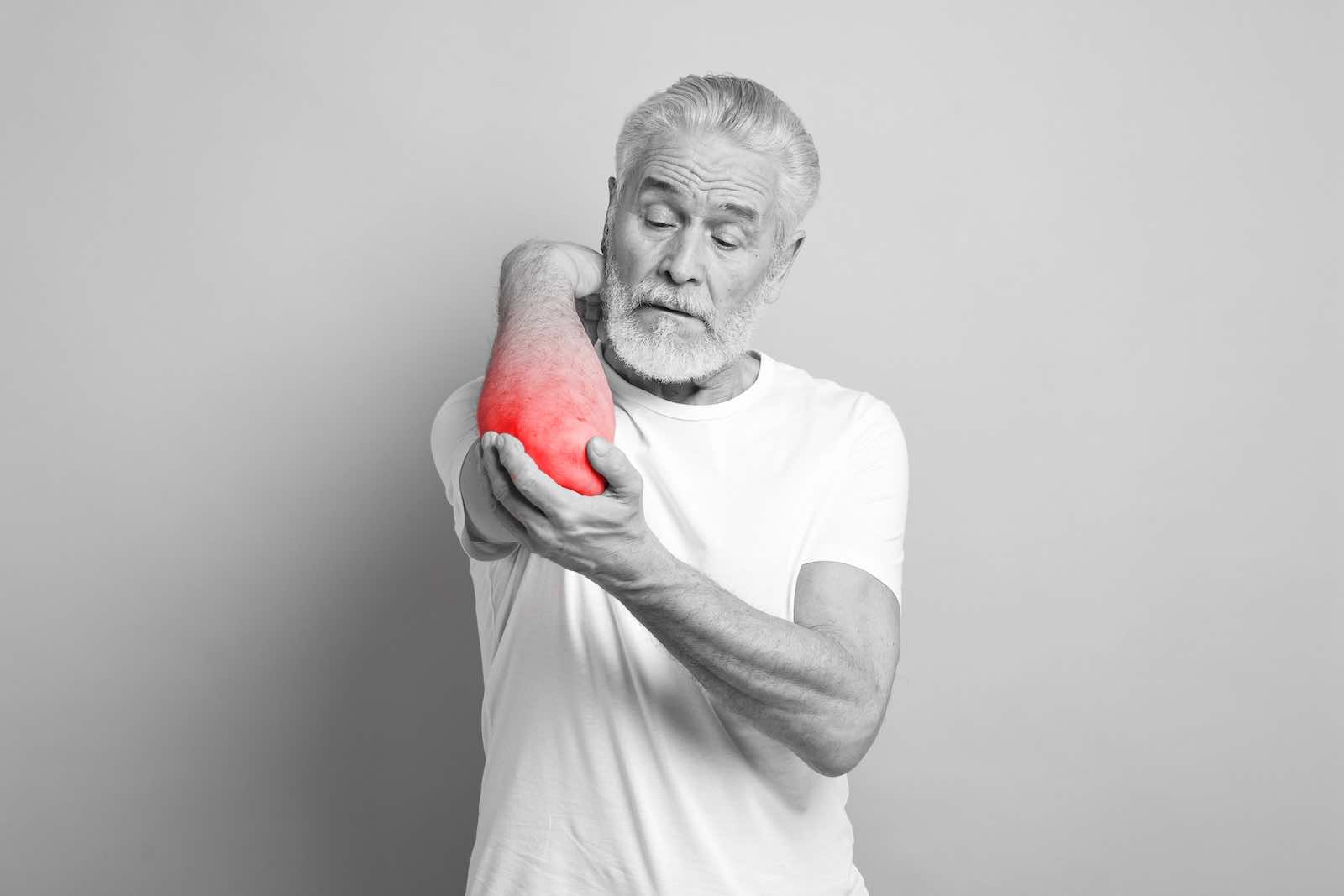
- Application example: A patient receives exercises to strengthen the forearm muscles and techniques to mobilize the elbow joint in order to create the conditions for pain-free movement. The focus is on the physical requirement the movement.
Direct comparison and collaboration
The following table illustrates the different focus areas:
feature | Occupational therapy | Physiotherapy |
Primary focus | Ability to function in everyday life (activity) | Movement and body function |
Key question | How can the patient achieve their goals? | How does the body regain its functionality? |
Intervention goal | Independence, participation, adaptation | Mobility, strength, freedom from pain |
Typical methods | Joint protection, assistive device advice, fine motor skills training, daily living skills training | Manual therapy, physiotherapy, massage, physical therapy |
Example (osteoarthritis) | Advice on joint protection techniques for gripping and cooking | Exercises to improve joint cartilage metabolism and strengthening |
In practice, especially in the Hand therapy in Frankfurt, Occupational therapists and physiotherapists often work together complementary together to achieve the best possible result. The physiotherapist creates the necessary physical requirements (e.g. sufficient mobility and strength), while the occupational therapist works on these skills translates into concrete everyday life (e.g., fine motor skills training for the professional environment).
 English
  German