

What is manual therapy of the hand? The Manual therapy of the hand is a specialized treatment procedure that focuses on the examination and treatment of Musculoskeletal disorders It focuses on the hand, wrist, and forearm. It utilizes targeted, passive, and active techniques. Mobilization techniques as well as Soft tissue treatments, to relieve pain, restore restricted joint mobility, and correct muscular imbalances. The answer to What is manual therapy of the hand? Its strength lies in its holistic, mechanical approach to restoring optimal joint function and tendon gliding. In our practice in Frankfurt We apply evidence-based manual techniques to sustainably improve the resilience and dexterity of your hand.
The core components of manual therapy
Manual therapy of the hand is versatile and includes various techniques that are individually tailored to the diagnosis.
- Joint mobilization: Special, passive techniques to improve the mobility of joints whose movement is restricted (e.g. after fractures or in cases of osteoarthritis).
- Traction and gliding: Gentle pulling and pushing movements at joint level to relieve pain and optimize joint play.
- Soft tissue techniques: Includes massage, cross-friction and stretching to relax muscles, release adhesions and improve blood circulation.
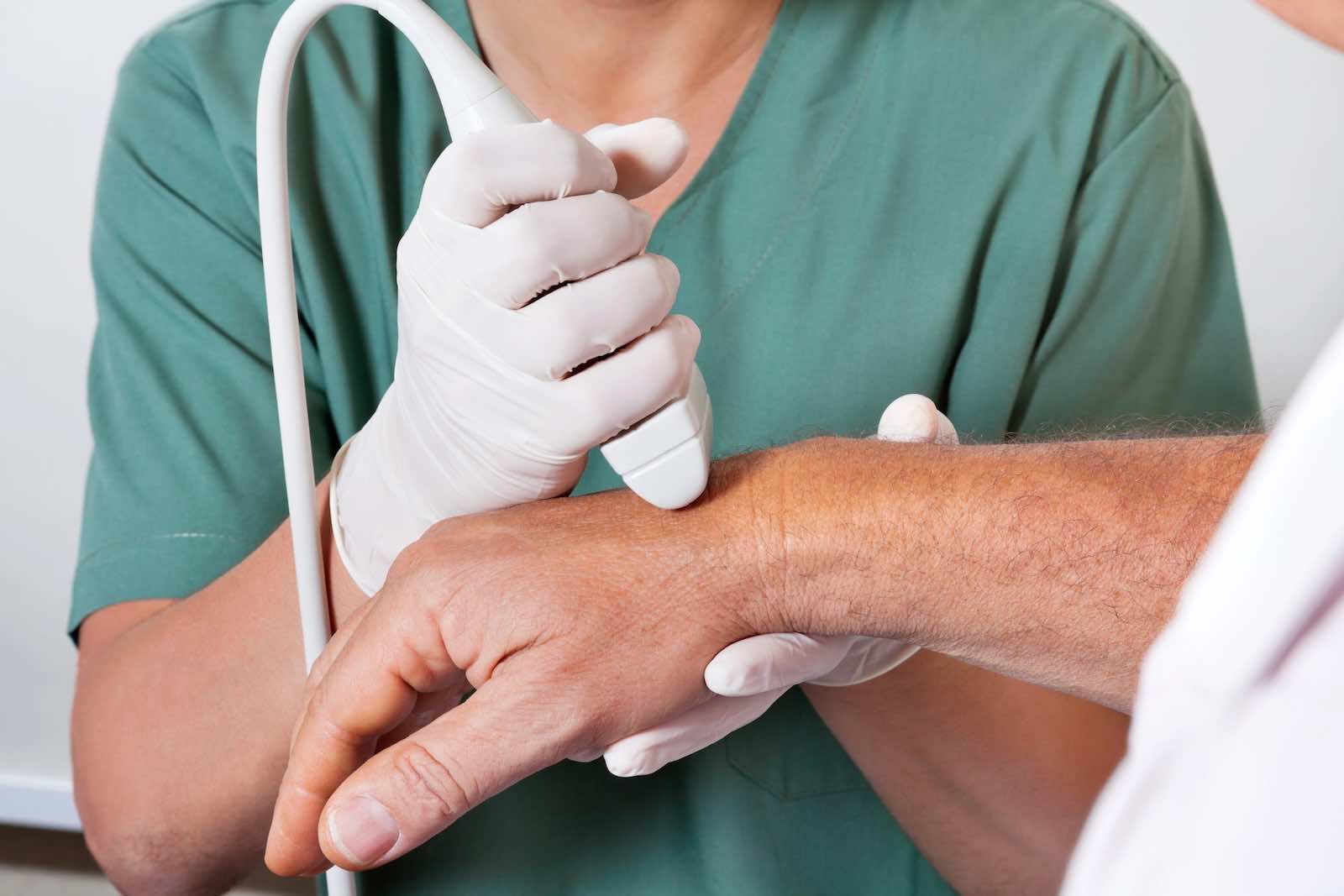
Importance of joint diagnostics
Before the question What is manual therapy of the hand? The question that can be answered practically is: detailed joint diagnostics At the beginning. The therapist examines not only active mobility, but also the joint play (the passive, involuntary range of motion in the joint). If this joint play is restricted, specific manual techniques can be used to restore full function.
Applications and benefits of manual therapy
The Manual therapy of the hand It is highly effective in treating a wide range of diagnoses.
scope | Therapeutic benefits |
Joint stiffening (contracture) | Targeted restoration of range of motion (ROM) after immobilization or surgery. |
Osteoarthritis/Rheumatism | Pain relief through optimization of joint movement and unloading. |
Tendon and ligament injuries | Promotes tendon gliding and releases scar adhesions. |
Carpal tunnel syndrome/nerve irritation | Improvement of tissue perfusion and mobilization of nerve structures. |
Muscular tension | Relaxation and stretching of the overloaded forearm muscles. |
Manual therapy for scars and adhesions
An important aspect that explains, What is manual therapy of the hand?, This involves dealing with scars and adhesions. Scars often form after surgeries or injuries, which can cause problems. Tendon gliding or restrict skin mobility. Through special manual techniques, such as the Cross-friction or Scar mobilization, these adhesions are released, thereby restoring the full functionality of tendons and joints.
Frequently Asked Questions about Manual Therapy of the Hand (FAQ section)
1. Is manual therapy of the hand painful?
The Manual therapy of the hand It should generally not be painful. Mobilizing stiff joints can be challenging. Stretching pain Symptoms may occur, but they must be well-tolerated. Severe pain is a warning sign and must be avoided.
2. What is the difference to a normal massage?
A regular massage serves for general relaxation. Manual Therapy However, a specialized, targeted treatment of joint and tissue dysfunctions. The techniques are more precise and focus on the joint capsule, ligaments, and tendon insertions.
3. When is manual therapy used for the hand?
It is used when the active mobility Movement is restricted due to a disorder in the joint or the surrounding soft tissues. This is often the case after fractures, surgeries, in cases of osteoarthritis, or chronic overuse injuries such as golfer's elbow.
4. Who is allowed to perform manual therapy of the hand?
Only specially trained occupational therapists or physiotherapists with a Additional qualification in manual therapy (MT or OMT) are permitted to perform these techniques.
5. How long does a course of treatment last?
The duration of a course of treatment varies from person to person. It typically includes... Manual therapy of the hand 6 to 12 sessions. Treatment continues until mobility is restored and the patient can move into the active strengthening phase.
6. Does manual therapy also help with nerve irritation (e.g., carpal tunnel syndrome)?
Yes, manual therapy can be performed using special techniques. Neurodynamic techniques (Nerve mobilization) helps to improve the gliding ability of the nerve and to release compressions in the soft tissues, which can alleviate symptoms.
7. Can I replicate the manual techniques at home?
No. The highly specific Joint mobilization techniques These procedures should only be performed by a therapist. However, they can be performed by a therapist. Stretching and soft tissue exercises to be performed at home to support therapy.
8. What happens during cross-friction massage in manual therapy?
Cross-friction massage is a technique in which massage is performed perpendicular to the fiber direction of tendons or muscles. The goal is to... mechanical stimulation to promote blood circulation and to loosen adhesions at the tendon insertion.
9. What is the advantage of manual therapy compared to pure strength training?
The Manual Therapy First, the anatomical prerequisite for correct movement (joint mobility). Only when the joint is freely movable again can the Strength training Start sensibly and without risk of incorrect loading.
10. Where can I find specialists for manual therapy of the hand in Frankfurt?
Our practice in Frankfurt is specialized in hand therapy and has therapists with the appropriate additional qualifications for the Manual therapy of the hand, in order to ensure optimal treatment.

 English
  German