
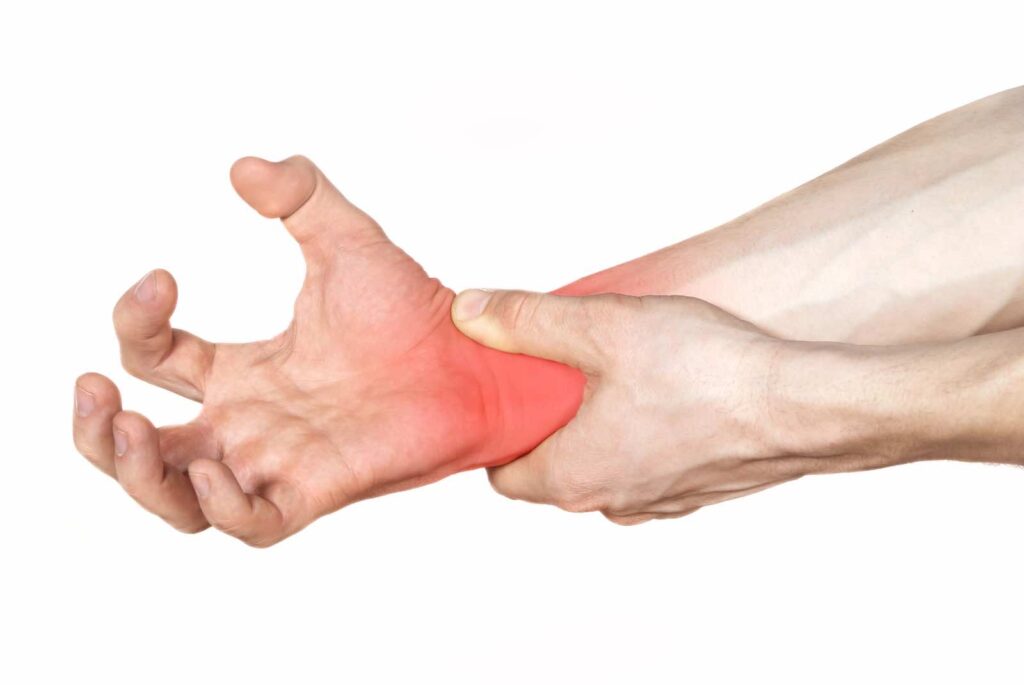
Treating osteoarthritis of the hand – this challenge affects many people in Frankfurt and often represents a significant reduction in quality of life. Osteoarthritis, also known as joint wear and tear, is a chronic, progressive disease in which the cartilage in the fingers, thumbs, or wrists deteriorates. This leads to pain, stiffness, and impaired function, particularly in gripping and holding movements. While the process of joint wear and tear is irreversible, the specialized occupational therapy Effective, scientifically sound strategies to alleviate symptoms, maintain mobility, and ensure long-term functional capacity in everyday life. Our practice focuses on showing you how to optimally protect your joints in daily life and minimize your pain through targeted, non-invasive measures.
Treating osteoarthritis of the hand: The therapeutic pillars
The therapeutic approach to Treating osteoarthritis of the hand Our approach is conservative and relies on a combination of education, joint protection, pain relief, and functional training. Our goal is to shorten inflammatory phases, prevent joint deformities, and increase individual resilience.
1. The central role of joint protection advice
The most effective strategy to Treating osteoarthritis of the hand, is the Joint protection. The aim is to avoid stresses that cause pain or overstress the joint structures. Our Joint protection advice It includes detailed instructions on how to modify everyday activities (e.g., opening jars, carrying bags, writing) to relieve the affected joints.
We'll show you how to:
- Large joints (Elbow, shoulder) instead of smaller joints (fingers).
- Energy-saving work and avoid unnecessary holding work.
- Aids (e.g., special openers, adapted cutlery) to reduce the strain.
2. Maintaining and improving mobility
Despite pain, patients often tend to move their joints less, which, however, promotes stiffness (contracture). An important component to Treating osteoarthritis of the hand, is the targeted mobilization.
- Individual mobilization: Gentle, active and passive movement exercises maintain the range of motion of the joints and promote the supply of nutrients to the cartilage.
- Paraffin baths/heat applications: These applications relieve pain and loosen tissue before mobilization begins.
Defined space for an image: [Close-up of a hand using a joint protection technique, e.g. opening a bottle with both hands and using larger joints]
Treating osteoarthritis of the hand: Specialized aids and therapy
For the effective treatment of Treating osteoarthritis of the hand We use in our practice in Frankfurt In addition to manual techniques, innovative aids and functional training approaches are also used.
component of occupational therapy | Therapeutic goal |
Joint protection advice | Minimize everyday stress |
Individual mobilization | Maintain hand mobility |
Assistive device provision | Securing independence |
Pain-relieving measures | Improve quality of life |
Functional training | Targeted strength building |
Rail supply: Stabilization and relief
The individual rail supply plays a prominent role in order to Treating osteoarthritis of the hand. Splints are used to temporarily immobilize painful joints (e.g., at night) or to stabilize them in an optimal functional position in order to relieve them under stress.
- Areas of application: The thumb saddle joint (rhizarthrosis) is particularly often stabilized with an individually manufactured thermoplastic splint to relieve pain when gripping and pressing.
- Goal: The splint reduces the strain on the joint and can thus shorten inflammatory phases.
Functional training and strength building
Although joint protection is a priority, a targeted, functional strength training This is important for stabilizing the joints through strong muscles. This training is always conducted in a joint-friendly manner and under expert guidance. We use special training equipment that does not unnecessarily compress the joints.
Treatment of rheumatoid arthritis
While osteoarthritis of the hand is primarily a wear-and-tear problem, the Rheumatoid arthritis (chronic polyarthritis) This represents an inflammatory autoimmune disease. The therapeutic approach to Treating osteoarthritis of the hand The approach for inflammatory joint diseases is similar, but requires even closer coordination with the rheumatologist's drug treatments.
In cases of rheumatism, occupational therapy additionally focuses on:
- Prevention of deformities: Targeted exercises and splints are intended to prevent tendon tearing and joint misalignment.
- Managing acute flare-ups of inflammation: During acute phases, absolute immobilization is required; gentle [treatment/care] is necessary during these phases. Edema control and a relieving rail supply is crucial before mobilization can resume.
Treating osteoarthritis of the hand: The path to independence
An essential component to Treating osteoarthritis of the hand To be able to do this is the restoration of Everyday skills. The pain should not permanently impair the ability to cope with everyday tasks.
Left | Right |
Joint protection advice | Minimize everyday stress |
Individual mobilization | Maintain hand mobility |
Assistive device provision | Securing independence |
Pain-relieving measures | Improve quality of life |
Functional training | Targeted strength building |
Assistive device consultation and adaptation
To minimize the strain on the joints during routine tasks, we conduct a comprehensive Assistive device consultation through. This ranges from the adaptation of gripping aids and special handle extensions for cutlery to the use of electrical household appliances. The aids aim to... Lever effects and lateral forces to reduce the impact on the joints and thereby enable pain-free performance of activities.
The home program as a success factor
No therapy in Frankfurt It can be successful if it is not supported by a consistent home program. You will receive precise instructions on:
- Daily mobilization exercises: To keep the joints flexible.
- Pain-reducing applications: For example, cold or heat packs.
- Correct application of the splint: The splint must fit precisely in order to have its relieving effect.
By actively participating in the therapeutic process, you not only ensure the success of the treatment, but also learn long-term strategies to manage the chronic illness. Treating osteoarthritis of the hand and to be able to control it.
The role of the occupational therapist in interdisciplinary treatment
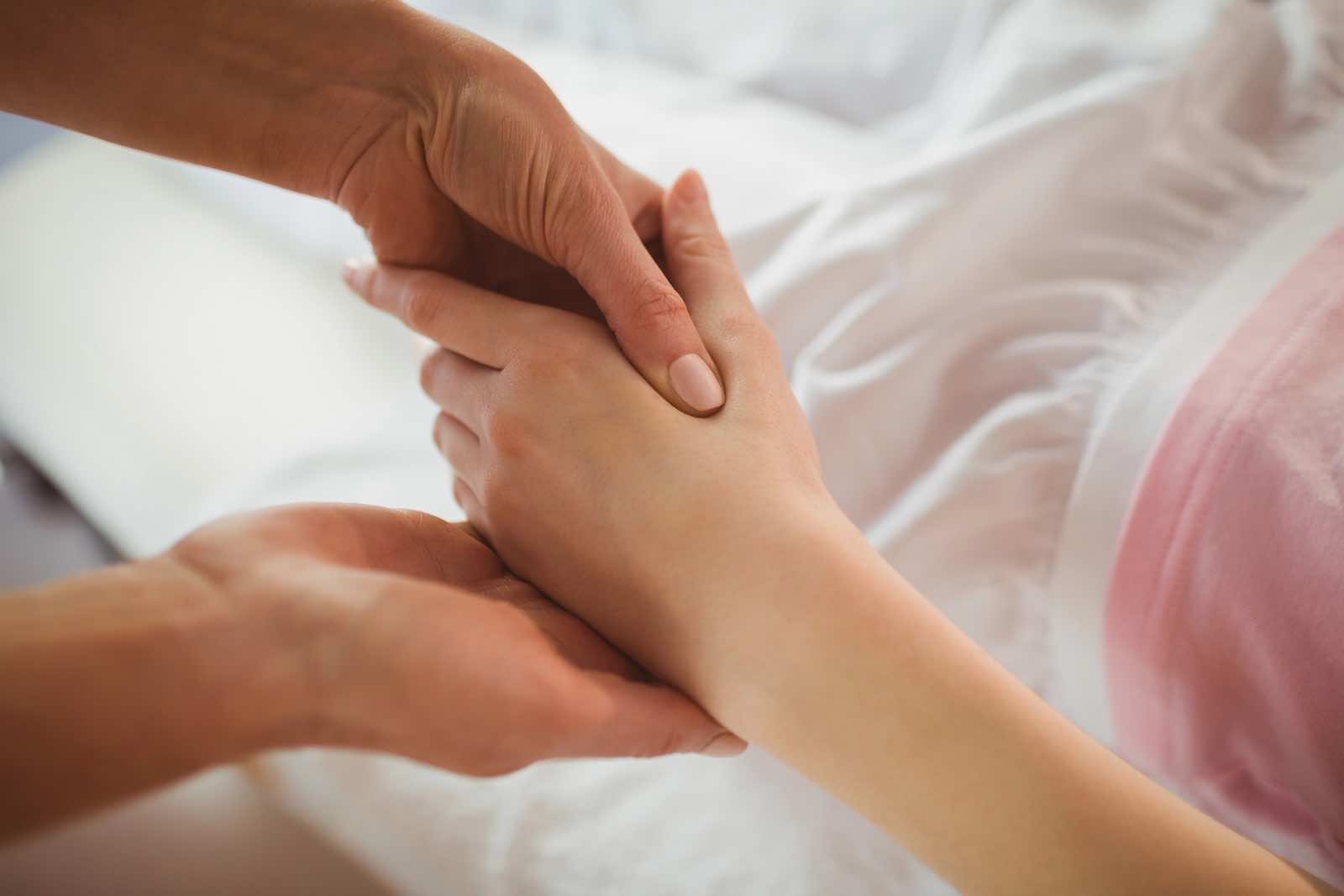
The treatment of osteoarthritis is interdisciplinary. We work closely with orthopedic surgeons, hand surgeons, rheumatologists, and pain specialists in [the field/area]. Frankfurt together. The occupational therapist is the expert for the Application of the hand in everyday life. We translate medical diagnoses into functional training programs and everyday strategies to help you. Participation to optimize.
The postoperative phase Following a joint replacement (e.g., at the thumb's carpometacarpal joint or at the base of the fingers) represents a special case where our expertise in the postoperative hand rehabilitation This is where the key lies. The goal here is to ensure optimal healing of the new joint while simultaneously mobilizing the surrounding structures. This requires a precise understanding of the surgical protocol.
Continuous treatment and monitoring are essential. Regular check-ups at our practice in Frankfurt to help manage the course of the disease, respond to changing symptoms, and adapt the therapeutic concept to Treating osteoarthritis of the hand to adapt continuously.
Frequently asked questions about osteoarthritis of the hand
1. Can osteoarthritis of the hand be cured?
No, the Osteoarthritis of the hand Osteoarthritis is a chronic, progressive disease in which cartilage damage is irreversible. Therefore, the goal of treatment is not to cure the osteoarthritis, but to manage the symptoms. Managing symptoms effectively. Through targeted occupational therapy in Frankfurt Pain can be alleviated, hand function preserved, and quality of life significantly improved. We focus on slowing the progression of joint destruction.
2. Are splints really useful for osteoarthritis, or do they weaken the muscles?
Rails are at Treating osteoarthritis of the hand They are very useful when used specifically to relieve a painful joint during periods of rest or exertion. relieve and stabilize. Modern splints are designed to immobilize only the affected joint, allowing other parts of the hand to remain active. Prolonged, untargeted immobilization is avoided to prevent muscle weakness. Their use is generally temporary and therapeutically guided.
3. Is heat or cold more helpful for pain caused by osteoarthritis?
The answer to whether heat or cold is better for the Treating osteoarthritis of the hand What helps varies from person to person and depends on the current joint condition. In the case of a acutely inflamed and swollen osteoarthritis (activated osteoarthritis) is usually cold Recommended to relieve inflammation. Most patients with chronic pain and stiffness find it helpful. warmth (e.g., paraffin bath) is considered soothing and pain-relieving because it promotes blood circulation and loosens the tissue.
4. What is joint protection and how do I use it?
Joint protection is a key pillar to Treating osteoarthritis of the hand. These are strategies and techniques to protect your joints from harmful stress. In practical terms, this means, for example, using both hands to carry objects instead of just one, and using the strength of your large joints (elbows, shoulders) instead of overloading your small finger joints. Our advice in Frankfurt shows you how to integrate these principles into your everyday life.
5. How can occupational therapy help if I have deformities due to rheumatism?
At rheumatoid arthritis Occupational therapy aims to maintain function despite existing deformities and to prevent the progression of further deformities. We manufacture special functional rails The goal is to keep the joints in a corrected position and train compensatory strategies to ensure the ability to function in everyday life. Early intervention is of utmost importance here to minimize damage.
6. How long will it take before I feel pain relief from the therapy?
Pain relief in the Treating osteoarthritis of the hand Therapy often doesn't take effect immediately, but becomes noticeable as soon as joint protection measures are consistently implemented and any inflammation is reduced. Many patients report a noticeable reduction in pain after just a few weeks of consistently using splints and performing targeted exercises.
7. Can I continue to work despite having osteoarthritis?
The goal of our occupational therapy is to enable you to continue practicing your profession for as long as possible. This is achieved through ergonomic consultation and adapting your workstation. For example, if typing is painful, we look for adaptive keyboards or mouse shapes. We analyze workplace stresses and find individual solutions to alleviate them. Treating osteoarthritis of the hand to be able to do so without having to give up one's professional activity.
8. How often do I need to do my home program?
Consistent adherence to the home exercise program is crucial for the treatment of osteoarthritis. We recommend that you... Mobilization exercises and the Joint protection techniques Perform these exercises several times a day in short, consistent sessions. Regularity is more important than the length of each individual session to keep the joints flexible and Treating osteoarthritis of the hand.
9. Are there any specific exercises for the thumb saddle joint (rhizarthrosis)?
Yes, rhizarthrosis is one of the most common forms of osteoarthritis in the hand and requires specific exercises. We'll show you. stabilizing exercises for the muscles of the thumb that relieve the joint, and gentle mobilization techniques. These exercises are often performed using a custom-made device. Thumb splint added to protect the joint while you use your Treating osteoarthritis of the hand.
10. When should I consider surgery?
Surgery (e.g., joint replacement, arthrodesis/joint fusion) should generally only be considered if conservative treatment, including comprehensive occupational therapy, has proven ineffective over a longer period. insufficient pain relief or no improvement in function more could be achieved and the quality of life is severely restricted. We work closely with hand surgeons in Frankfurt together and can advise you on decision-making.

 English
  German