

Is heat beneficial for carpal tunnel syndrome? The question of the optimal thermal treatment for carpal tunnel syndrome (CTS) is complex. CTS, caused by compression and irritation of the median nerve in the carpal tunnel, often presents with acute symptoms such as pain, tingling, and numbness. During this acute inflammatory phase, Cold is generally the more therapeutically appropriate choice. For rapid swelling reduction, heat can be a valuable element of occupational and hand therapy in certain, clearly defined chronic stages or for treating secondary conditions. Indiscriminate application of heat without considering individual symptoms should be avoided, as it could worsen acute conditions.
The effect of heat on carpal tunnel syndrome in the acute stage
To answer the question, Is heat good for carpal tunnel syndrome?, To answer this question thoroughly, the pathophysiology of the syndrome must be understood. The problem is the Lack of space in the bony carpal tunnel.
- Risk of increased edema: Physiologically, heat leads to vasodilation (widening of blood vessels). This increases blood flow and can increase capillary permeability, resulting in increased release of tissue fluid (edema) into the affected area.
- Increased pressure on the nerve: Since the carpal tunnel is a rigid, non-elastic space, increased swelling inevitably leads to a Increased pressure on the median nerve. This can acutely worsen the typical symptoms of carpal tunnel syndrome (nighttime tingling and pain).
- Lack of anti-inflammatory potential: Unlike cold, heat does not have a primary anti-inflammatory effect. Therefore, it is less suitable for rapid relief in cases of active irritation or inflammation of the tendons or tissue within the tunnel.
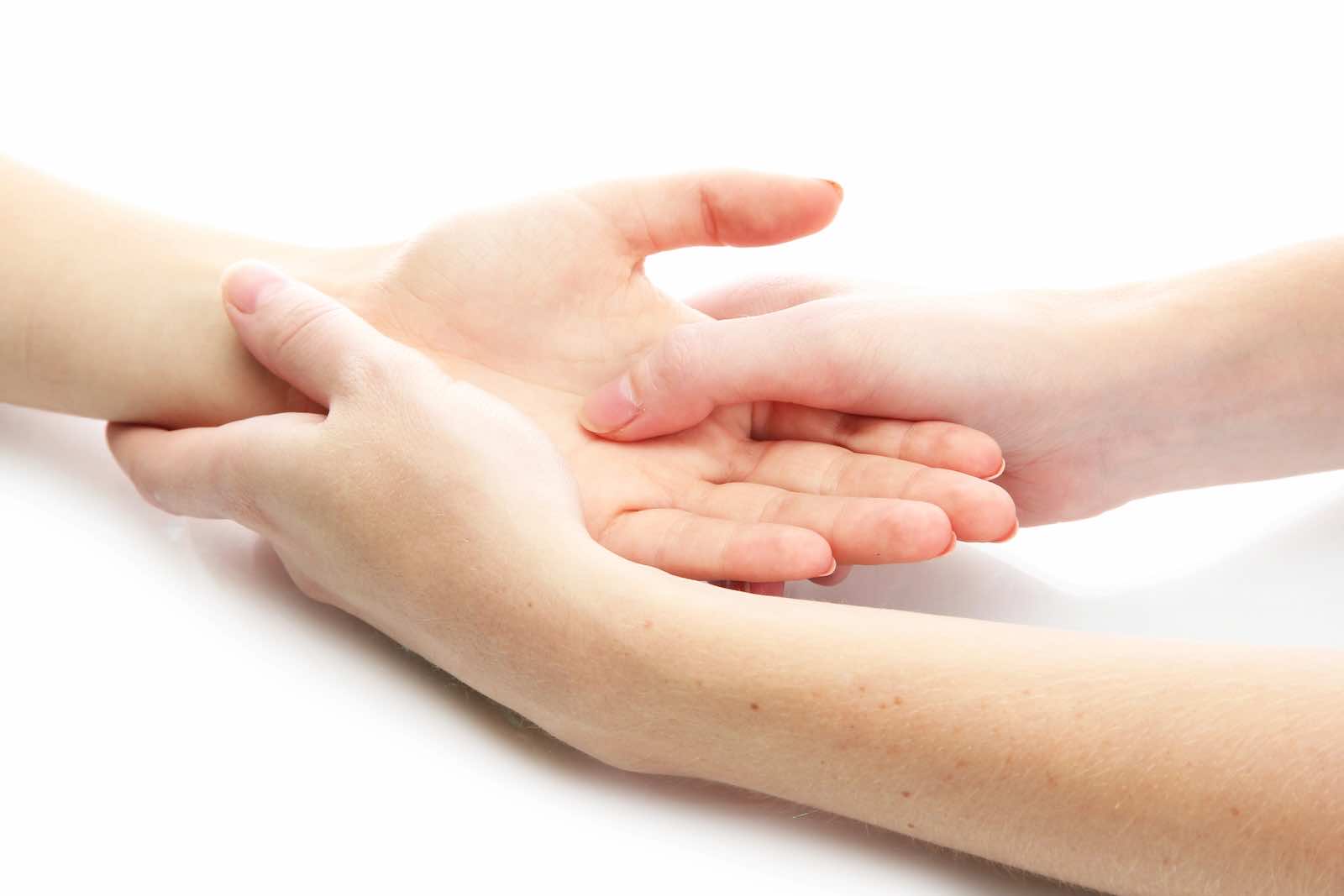
When can heat be therapeutically beneficial? Differentiated application.
Despite the risks in the acute phase, there are clear indications as to when and how heat can be used in the treatment of carpal tunnel syndrome.
1. Treatment of secondary muscles
- Muscular tension: Many carpal tunnel syndrome patients develop symptoms due to protective posture or neurological symptoms. Tension in the forearm, shoulder and neck muscles. In these areas, the application of heat (e.g., through mud packs, cherry pit pillows, or warm baths) can loosen the muscles, promote blood circulation, and induce reflex relaxation. This improves the overall mechanics of the upper extremity.
- Fascial relaxation: The heat makes the connective tissue (fascia) more elastic.
2. Chronic pain and stiffness
- Joint stiffness: After prolonged immobilization or in cases of accompanying osteoarthritis, a chronic stiffness This applies to the joints of the hands and fingers. Heat can be applied before active mobilization exercises to increase the elasticity of the capsules and ligaments.
- Preparation for occupational therapy: Warming the tissue before manual therapies or stretching exercises can improve tissue plasticity and thus increase the effectiveness of the session. However, the heat should be applied in a controlled manner. only local and not in the area of acute nerve compression be applied.
3. Contrast therapy (alternating hot and cold baths)
The so-called contrast therapy, in which the hand is alternately briefly immersed in warm and cold water, utilizes the vasodilating and vasoconstrictive effects of both temperatures.
- Effect: The rapid succession of cold and warm stimuli trains the blood vessels (vasculature) and promotes active blood circulation, which can contribute to the faster resorption of chronic edema.
- Caution: This method is not for the acute phase or suitable in cases of severe inflammation.
The therapeutic superiority of cold
Rapid and lasting relief from acute carpal tunnel syndrome symptoms, especially nighttime discomfort, is achieved through the application of cold.
Thermal stimulus | Effect on the carpal tunnel | Recommendation at KTS |
cold | Reduces inflammation and swelling (edema), lowers the pressure in the tunnel. | Primary application For acute pain and nighttime tingling. |
warmth | Can increase swelling; loosens surrounding muscles. | Secondary application only in cases of chronic tension and joint stiffness (far from the tunnel). |
Frequently asked questions about thermal treatment of carpal tunnel syndrome
1. Is heat beneficial for carpal tunnel syndrome when the symptoms are chronic?
If the symptoms of carpal tunnel syndrome are chronic and there is no acute inflammation or severe swelling, heat may be perceived as pleasant in certain cases and may be used to alleviate the symptoms. Relaxation of the surrounding muscles contribute. However, if the chronic symptoms indicate fibrosis or persistent narrowing, heat should be applied with caution. The question is, Is heat good for carpal tunnel syndrome? In the chronic stage, it must always be discussed individually with the therapist.
2. Can I prepare my hand with warmth for the occupational therapy session?
Yes, that can be helpful in certain circumstances. If your occupational therapist is planning specific manual techniques or stretching exercises, a short, mild application of heat This can help to make connective tissue and tendons more supple and increase the elasticity of the joint capsules. However, this should always be done in consultation with your therapist to ensure that you do not have an acute inflammation.
3. Can a red light lamp help, and is heat beneficial for carpal tunnel syndrome in this form?
A red light lamp provides dry heat and can help relax the muscles in the forearm or shoulder area. It can be helpful for accompanying symptoms, but should not directly on the wrist be directed if you are suffering from acute swelling. The decision, Is heat good for carpal tunnel syndrome? In this form, it depends on whether you are simply looking for muscular relaxation or treatment of nerve irritation.
4. What happens if I apply heat despite acute symptoms?
If you apply heat despite acute carpal tunnel syndrome symptoms (severe tingling, pain), you risk the symptoms worsening. temporarily worsen. Increased blood flow can lead to increased swelling, which in turn increases pressure on the median nerve in the narrow carpal tunnel. In this case, you should immediately stop applying heat and cool and elevate your hand.
5. Which home remedies use heat and are safe for KTS?
The safest use of heat as a home remedy is this Warm hand bath to loosen tense hands and feet (as a contrast). However, avoid immersing your hand in hot water for extended periods. As an alternative to direct heat, a gentle massage of the forearm (not the wrist itself) using slightly warmed oil to help relax the muscles without directly increasing the pressure in the carpal tunnel.
6. What is the maximum duration I should apply heat for?
When applying heat to relieve tension, the duration should be maximum 15 to 20 minutes Prolonged use can unnecessarily lead to tissue overheating. Observe throughout the entire duration., What happens during the application?. As soon as the tingling or pain symptoms increase, stop applying heat immediately.
7. Can the night splint be supported by heat?
The main function of the night splint is to mechanically immobilize the leg in a neutral position to reduce pressure. It is not supported by heat. However, if you find the splint uncomfortable or cold, you can warm your hand before applying it. warm gently. The rail itself, however, should not heated will, as this could change the fit.
8. Why is heat recommended for osteoarthritis, but cold for carpal tunnel syndrome?
In osteoarthritis (joint wear and tear), there is often no acute inflammation, but rather chronic stiffness. warmth This is ideal for making the joint more flexible. However, in the case of carpal tunnel syndrome, the problem lies in the... Nerve compression, often accompanied by inflammation of the tendon sheaths. Here, the swelling must be reduced, which is why cold is more suitable. This differentiates the recommendations., Is heat good for carpal tunnel syndrome?.
9. Should I apply cold or heat to my KTS after exercising?
After sports or strenuous activity, you should protect your hand if you have KTS. cool. Stress often leads to temporary swelling and irritation in the wrist. Cooling prevents this irritation from triggering an acute carpal tunnel syndrome attack by quickly reducing the resulting edema.
10. Are there alternatives to thermal stimuli for pain relief?
Yes, the best alternative to thermal stimuli is the consistent mechanical relief through the Night rail. Furthermore, gentle Neurodynamic exercises They help improve nerve gliding without affecting the swelling. Another important component for quickly relieving pain is taking doctor-prescribed anti-inflammatory medication.


 English
  German